Lighting for Distilleries
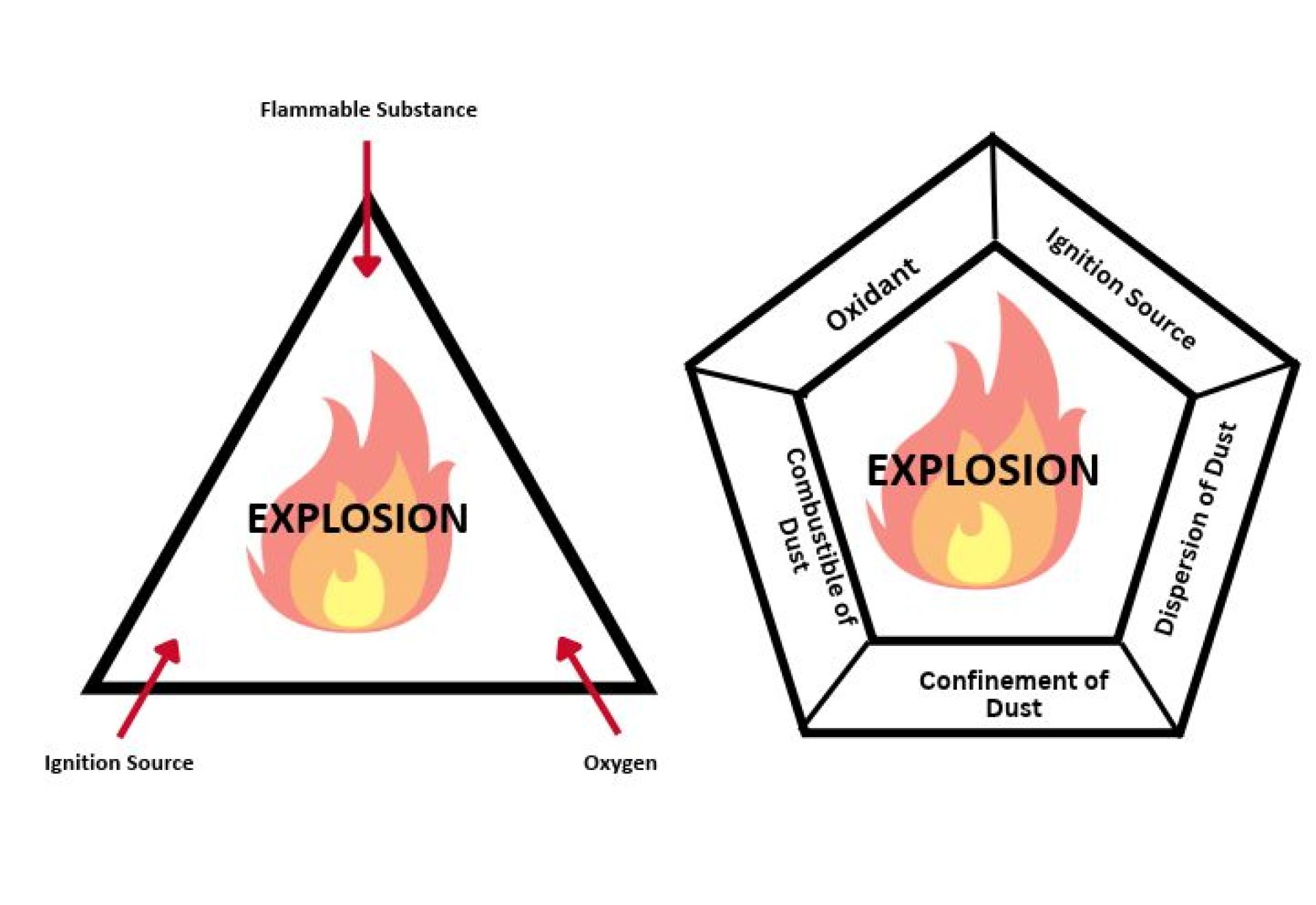
As we’ve covered in several discussions, a hazardous area is any environment where an explosive atmosphere may occur. This typically happens when three key elements are present: a flammable substance, oxygen, and an ignition source.
In distilleries, all three conditions exist: alcohol (a flammable substance as dangerous as fuel), oxygen in the air, and potential ignition sources such as sparks from mechanical or electrical faults. Together, these factors classify distilleries as hazardous areas, making specialised equipment essential.
This application focus will explore:
• Why distilleries are classified as hazardous areas
• Why explosion-protected (Ex) lighting is needed in distilleries
• The key application areas within a distillery that require Ex lighting
• How to specify lighting solutions for distilleries
• Raytec Distillery Portfolio
Why Distilleries Are Classified as Hazardous Areas
Most common alcohols contain ethanol or a similar compound with a low flash point. A flash point is the minimum temperature at which a liquid releases enough vapour to form an ignitable mixture with air. The lower the flash point, the greater the fire hazard.
Liquids with a flash point below 37°C are classified as flammable. Ethanol, with a flash point of around 12–26°C, places most alcohols in this category. There’s also the presence of flammable vapours due to the handling, storage and milling of grains like wheat and barley.
Since air is always present, this already provides two of the three key elements required for an explosion: fuel (the alcohol) and oxygen. The third element is an ignition source which can be any material or condition that supplies enough energy to initiate combustion. This could be an open flame, sparks, hot surfaces, or even electrical and mechanical equipment. With all 3 components present, a distillery becomes a hazardous area.
See for reference the fire triangle or dust explosion hexagon.
Why is Ex Lighting Needed
Ex lighting is designed with robust enclosures to prevent any sparks or hot spots that might occur within the fixture. They are essential safety measures mandated by safety regulations such as ATEX certification.
Having an Ex-rated equipment such as lighting at distillery sites, reduces the possibility of an electrical spark or hot surface causing an explosion, helps with containment of the spread of fire, ensures worker safety, safeguards a facility and its operation from catastrophic damage and costly downtime, and to meet industry regulations and standards.
Areas Requiring Ex Lighting
In a distillery application, one needs Ex lighting in a variety of areas. These include:
Production Areas
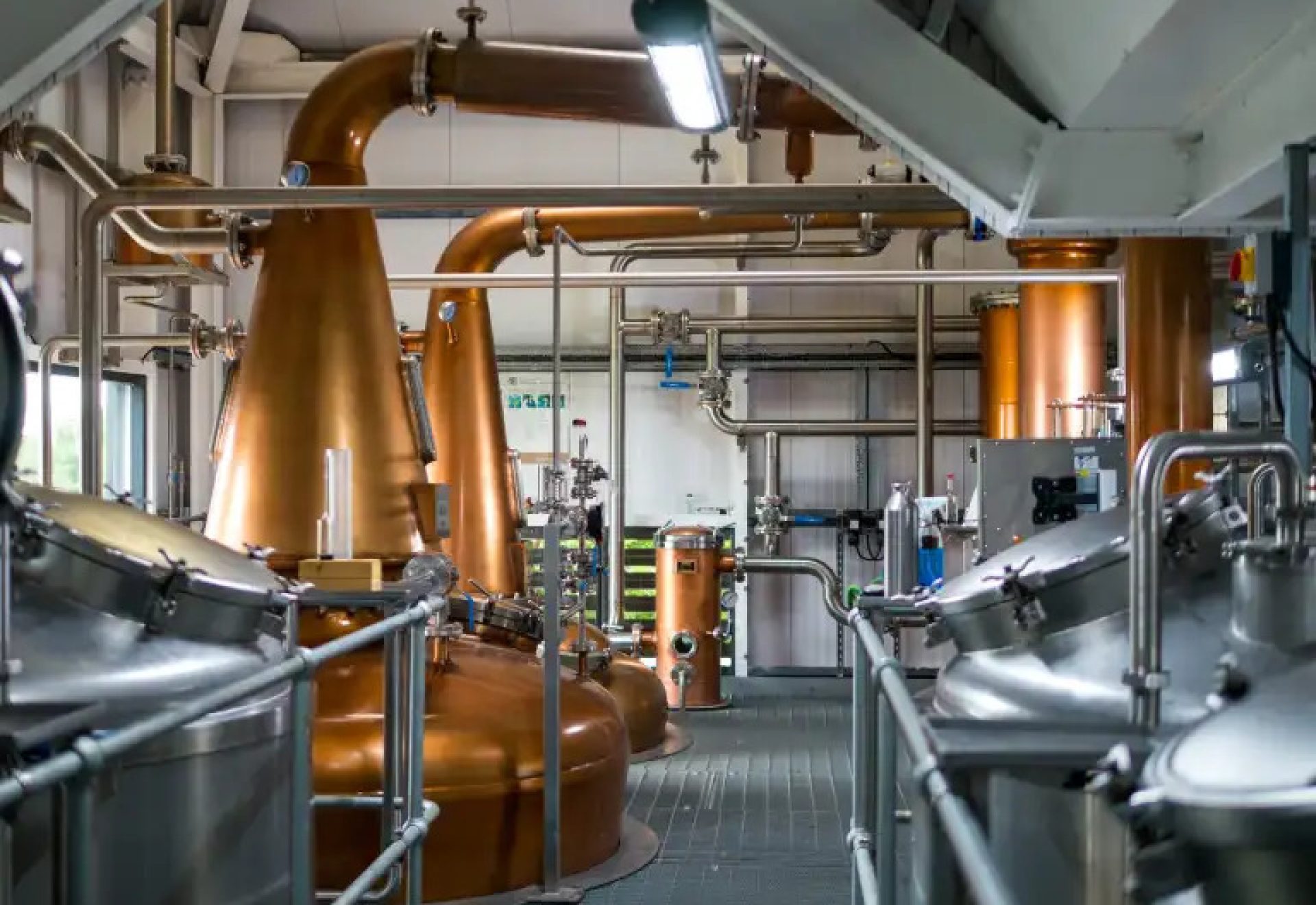
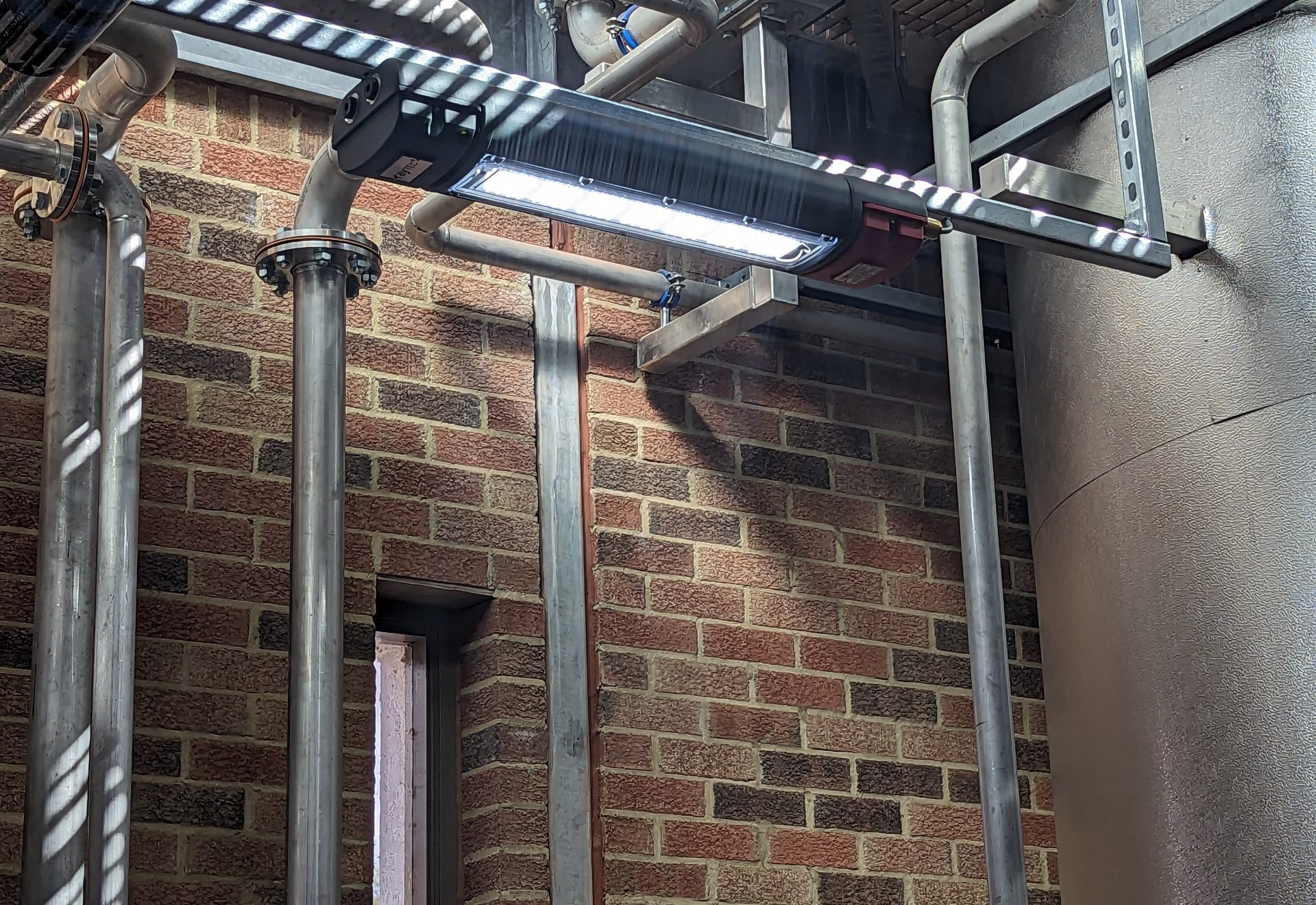
Still rooms: These are critical environments where distillation occurs. The process generates high concentrations of alcohol vapours, which can create explosive atmospheres. Ex lighting is required to provide adequate illumination for monitoring equipment, conducting inspections, and ensuring worker safety without introducing ignition risks.
Malting and Grain Storage: These areas are prone to high
levels of dust and elevated temperatures. When combined, these factors present a serious explosion hazard. Explosion protected lighting ensures clear visibility while preventing potential ignition sources.
Bottling Plants: During the bottling and packaging of distilled
spirits, alcohol vapours may be released, particularly during filling operations. Ex-rated lighting is necessary to maintain safe working conditions and reduce the likelihood of fire or explosion.
Spirit Handling, Filling, and Pumping Rooms: These spaces
often contain concentrated vapours and liquids under transfer. Adequate Ex lighting supports safe operation by ensuring proper visibility while minimising ignition potential.
Storage Areas
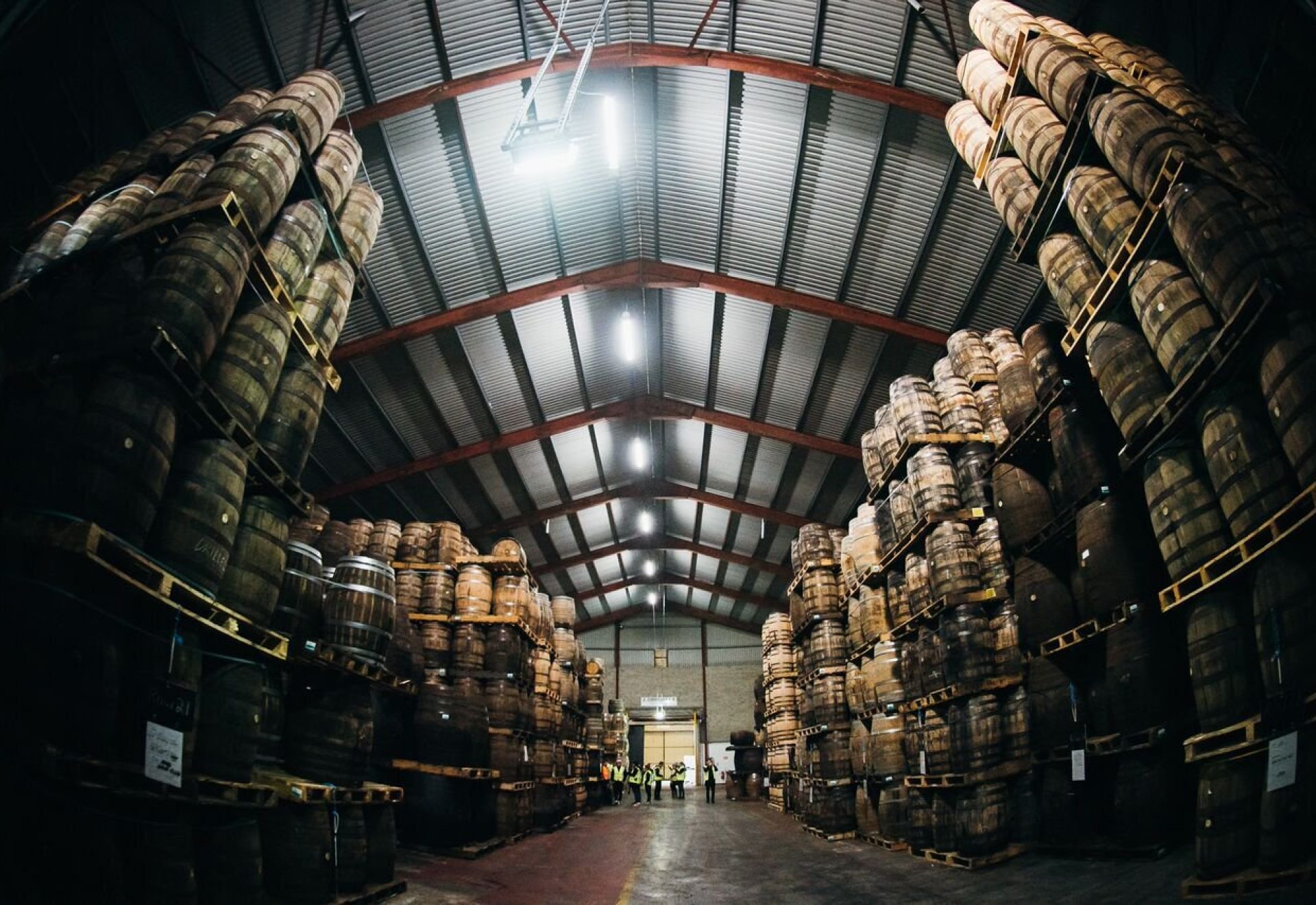
Ageing Warehouses: As spirits mature in casks, ethanol vapours are gradually released into the surrounding atmosphere. Over time, these vapours can accumulate and pose an explosion risk. Ex lighting provides a safe illumination method for routine monitoring, sampling, and handling of barrels.
Fuel and Chemical Stores: Storage facilities for fuels, cleaning agents, and auxiliary chemicals used in the distillation process are particularly hazardous. The use of explosion-protected lighting in these areas prevents accidental ignition while enabling safe storage, handling,
and retrieval of materials.
Specifying Lighting
Choosing LED
With the sale of T5 and T8 fluorescent tubes banned in Europe in August 2023, the need to find alternative solutions to traditional lighting technology is more pressing than ever. Compared to LEDs which have a near 0% failure rate, fluorescent luminaires are more prone to failure, especially in industrial environments like distilleries with humidity, vibration, and chemical exposure.
The long lifespan of LEDs eliminates the need for frequent lamp replacements over the life of the luminaire, unlike fluorescent fittings. For distilleries operating 24/7, this means less production disruption, safer working conditions, and reduced maintenance time. Over time, a fluorescent luminaire can lose nearly 40% of its initial brightness, whereas an LED fitting loses only a small fraction of that.
Additionally, LED luminaires are largely unaffected by extreme temperatures, making them ideal for distilleries with both hot areas, such as stills, and cold storage facilities.
Lifetime & Maintenance
With effective thermal management, LED luminaires can achieve lifetimes exceeding 100,000 operating hours without the need for re-lamping. For distilleries balancing continuous production with frequent visitor tours, reducing both the frequency and complexity of maintenance is a significant advantage.
Truly non-modular luminaires tend to be factory sealed for life and cannot be repaired on-site. When an issue occurs, they must be taken down, in their entirety, and sent back to the manufacturer for repair or replacement. That is expensive, time consuming, and leaves the site without comprehensive lighting coverage, potentially leading to downtime. It’s the lighting equivalent of buying a car and not being able to service it.
A truly modular luminaire allows end users to service and maintain a product in its installed location.
Raytec prioritises ease of maintenance in its hazardous area lighting through a modular design. Modular components are designed to simplify maintenance and reduce costs. Damaged or faulty modules can be swapped without replacing the entire unit, reducing downtime. The repair process is faster and easier as specific modules can be serviced. This streamlined approach to maintenance is highlighted by the rapid PSU replacement process, taking only two minutes.
The maintenance process is much simpler requiring less labour and specialised equipment.
Easier Access
Choosing an LED luminaire with a removable PSU (Power Supply Unit) can help to make access for maintenance much easier. Luminaires such as the SPARTAN High-Power Flood & High-Power Bay allow the PSU to be removed from the main body of the luminaire, so all wiring and serviceable parts can be positioned in an easy-to-access location. Let’s consider this benefit in the context of a common application within larger distilleries and grain storage areas. These areas will usually have High Bay luminaires mounted to (or suspended from) the ceiling of the storage building. With non-modular lighting installed, gaining access to the luminaire may require the grain to be removed before maintenance is carried out, a slow and costly process.
Additionally, even if the luminaire can be accessed without needing to remove the grain, carrying out maintenance with the grain still below is risky; it could lead to it becoming contaminated if anything falls while maintenance is being carried out. In contrast, being able to mount the PSUs remotely means maintenance can be carried out at ground level (so there is no risk of contamination), and the grain does not have to be removed. Ultimately this means maintenance can be done quicker, at a lower cost and risk.
Energy Costs
Reducing running costs is a priority for any business. LED luminaires are far more energy-efficient than conventional lighting, helping distilleries lower their electricity bills. This is especially beneficial for smaller, independent distilleries, where whiskey production can be seasonal, and keeping energy costs down during quieter periods is critical.
Sustainability
At Raytec, we are committed to delivering high-quality lighting solutions while keeping sustainability at the forefront. We have achieved carbon neutrality for two consecutive years by paying for and retiring 155 tonnes of carbon credits; we continue to demonstrate our commitment to a sustainable future.
We are also proud to announce that our SPARTAN Linear range has recently achieved an Environmental Product Declaration (EPD), reinforcing our dedication to sustainability and transparency.
For our customers, EPD certification means confidence and transparency. It demonstrates that our products are manufactured with careful attention to environmental impact, helping installers and end users make sustainable choices without compromising on performance or aesthetics.
Quality of Light
LEDs provide superior light quality, with improved Colour Rendering Index (CRI) and a wider range of colour temperatures compared to traditional lighting. This enhances working conditions in production areas and offers greater flexibility for visitor facing spaces. For example, higher colour temperatures may be ideal for operational zones, while warmer tones create a welcoming atmosphere in tasting rooms or visitor areas.
Utilising various beam patterns, Raytec luminaires are available in a wide selection of beam angles to deliver targeted light where it’s needed most, minimising wastage, reducing light pollution, and giving the most economical solution to the end user.
Aesthetics & Design Integration
Distilleries that welcome visitors must balance functional lighting with visual impact. Raytec’s LED luminaires can be tailored to complement architectural features and interior finishes through bespoke colours, finishes, or minimalist designs enhancing both the building and the visitor experience.
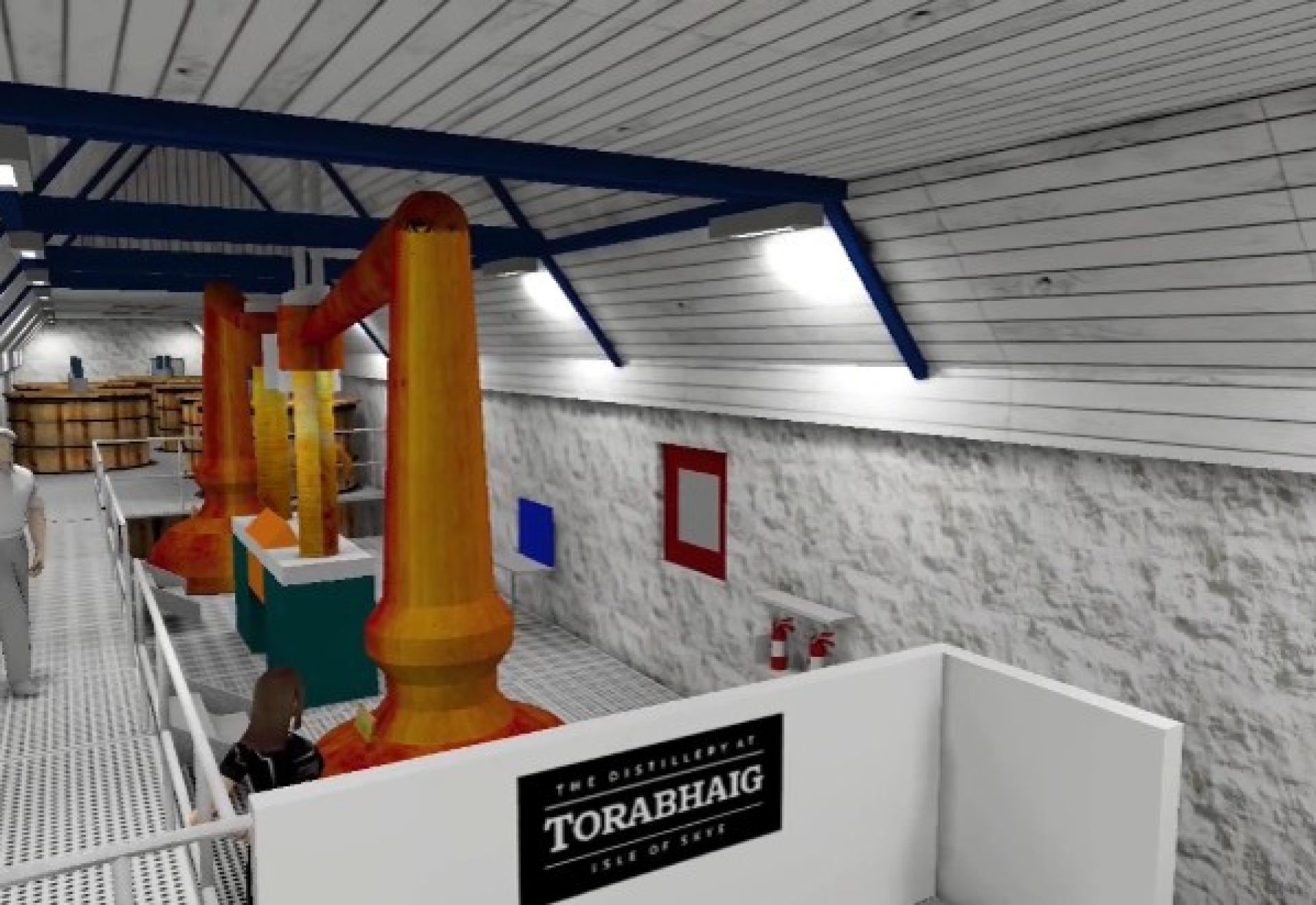
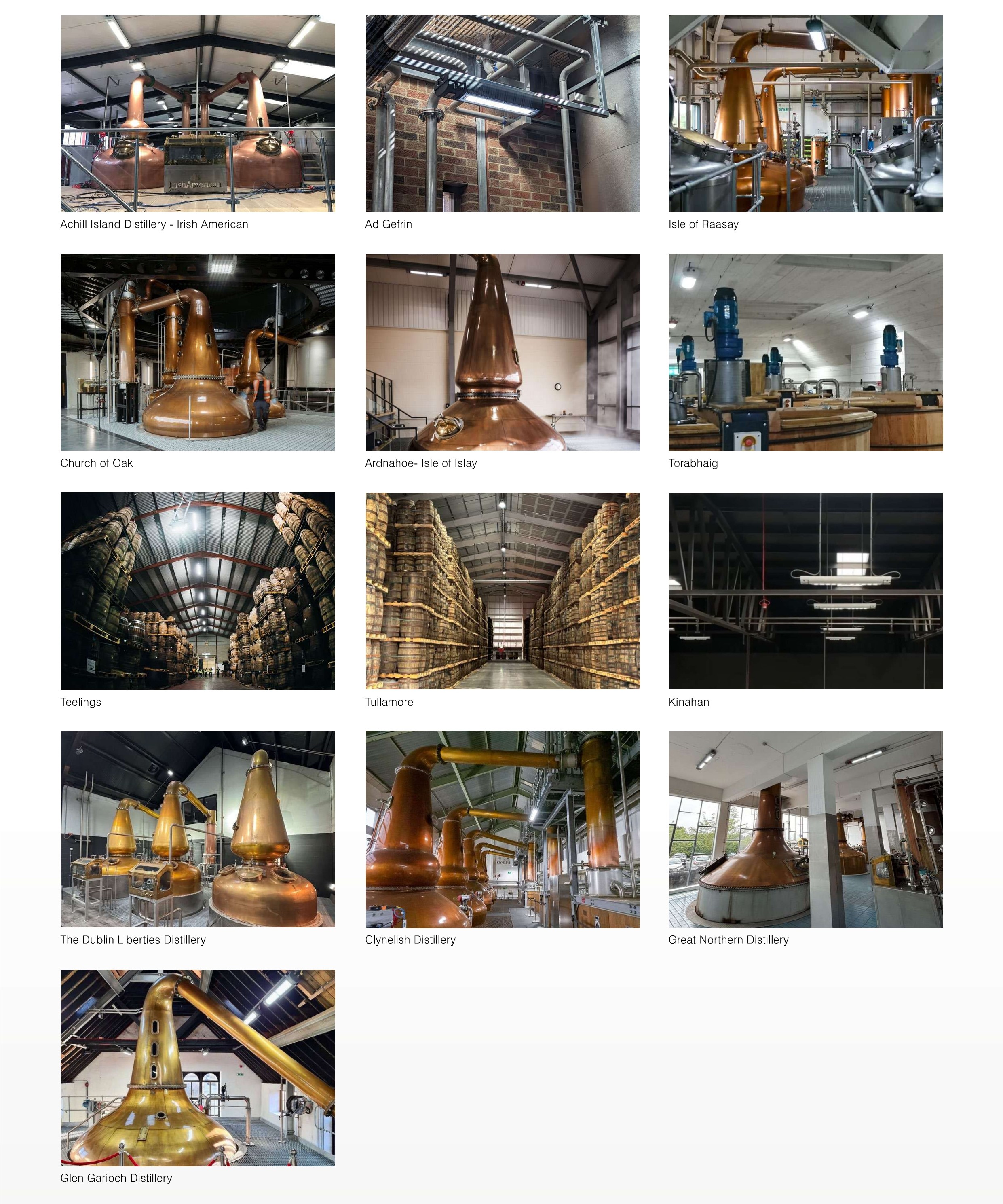
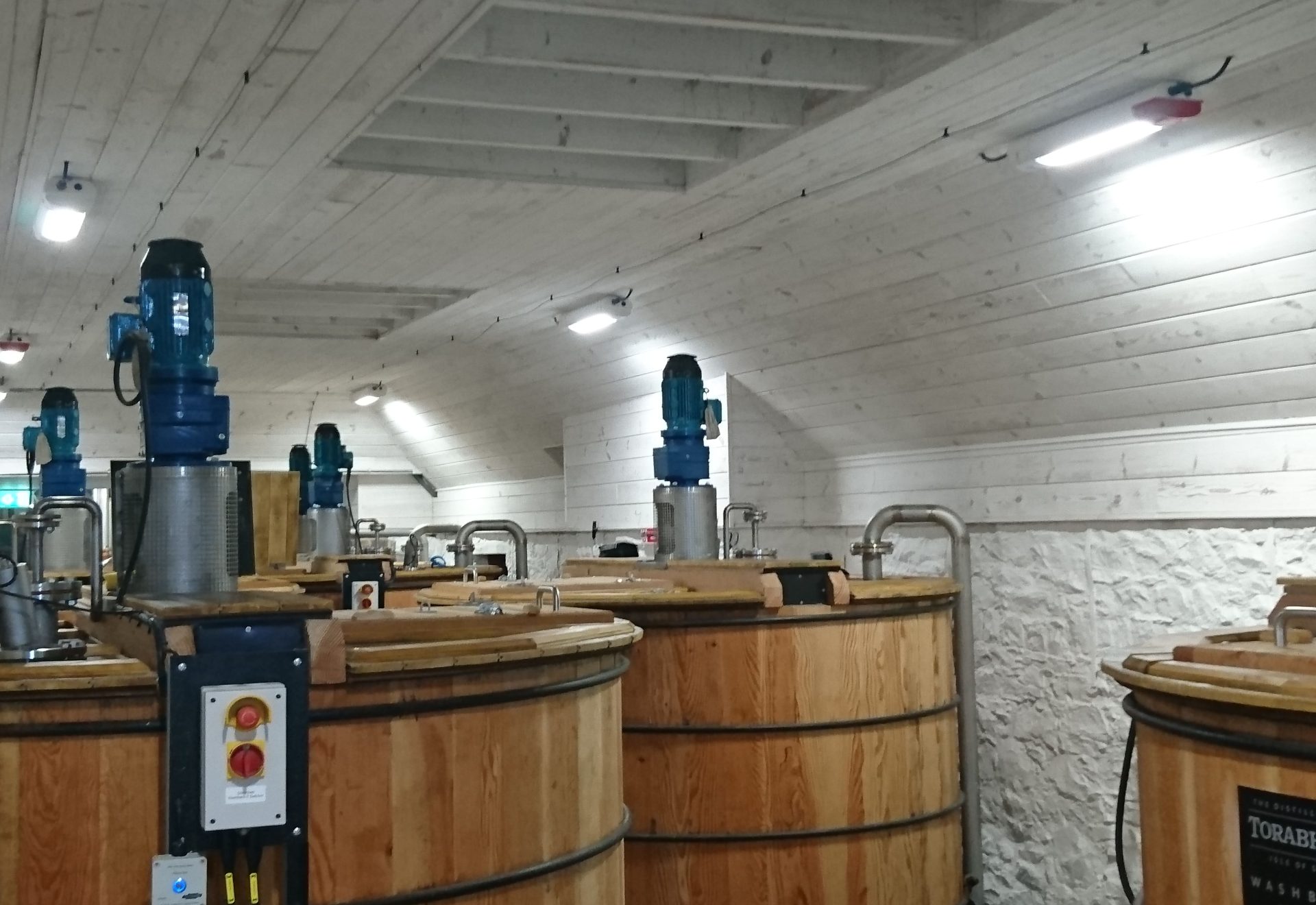
For example, SPARTAN luminaires at Torabhaig Distillery were colour-matched to the wood panelling, blending seamlessly while highlighting key elements. Lighting can also create atmosphere: warmer tones in barrel storage or tasting areas make spaces inviting, while
strategically accentuating iconic features like copper stills with colour or temperature variations enriches the overall aesthetic. Choosing luminaires with adjustable output ensures both safety and ambience are maintained.
Emergency Lighting
At Raytec, all emergency luminaires are available with up to 100% light output in emergency mode, providing 3 hours of battery backup at 25% power as standard. The Intelligent Emergency system self-tests its battery and communicates status via a tri-colour LED indicator. Advanced microprocessor-controlled features perform automatic random testing cycles, ensuring the luminaire and its emergency battery operate reliably and safely at all times. This provides essential illumination during an
emergency, helping to keep workers safe when it matters most.
Clean fresh water, which contributes to each whiskey’s flavour, is an essential ingredient of the distillation process and means that distilleries are often located in hard to access locations (such as remote Hebridean islands where power cuts and longer outages can be more frequent). Emergency backup lighting is therefore a necessity to maintain the safety of anyone on-site, providing back up illumination in the event of a power outage. This protects both visitors and workers on-site and is especially important to any distillery open to the public.
Lighting Design
Lighting design is an essential part of specifying lighting within distilleries. The nature of distilleries means walkways between hot stills need to be well lit and any pipes or other distillation equipment need to be clearly illuminated to maintain the safety of workers and the visiting public.
For specifiers going through the initial design process with a clear brief in mind, a lighting design will provide peace of mind that the final solution will achieve the required, on-site lighting goal, with no surprises at the point of commissioning.
Raytec’s free lighting design service provides you with the 3D visual representation of the final lighting solution, with detailed lux levels and a true indication of lighting performance. Our lighting design experts will give you dedicated one-to one support to ensure that the optimum solution is achieved, in-line with your requirements.