


Why Street Lighting Alone Is Not Enough for Surveillance
Street lighting is a critical piece of infrastructure for any city or public space. It improves visibility for drivers and pedestrians, supports road safety, and helps create a sense of security in urban environments. However, when it comes to effective surveillance and crime prevention, street lighting alone is often not sufficient.
For modern video surveillance systems, especially those relying on surveillance cameras, dedicated lighting designed specifically for surveillance purposes is essential.
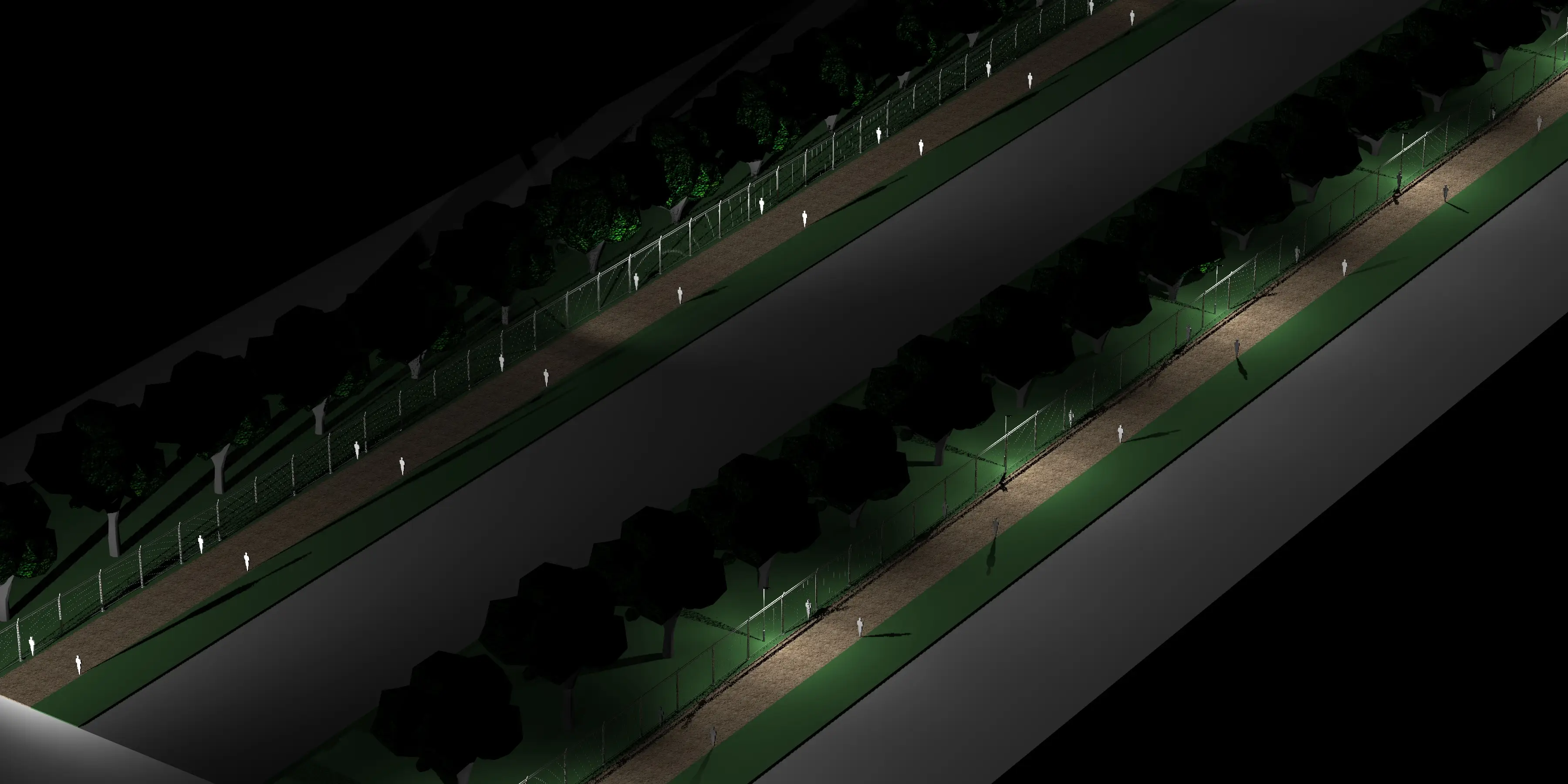
The Purpose of Street Lighting
Street lighting is primarily designed for general area illumination to support safe pedestrian movement and road safety. To achieve this, street lights are typically installed at height and directed top-down, focusing on horizontal illumination across roads and pavements.
While this approach works well for visibility and navigation, it introduces several limitations when used as the primary lighting source for video surveillance systems.
According to the British Standards Institution (2020), ‘In areas of high crime or where CCTV is present, lighting designs should be based upon vertical illuminance classes in addition to horizontal illuminance classes. Areas that are monitored by CCTV might need a higher level of overall uniformity of illuminance for the surveillance of individuals to maintain the image whilst panning across a scene. Poor overall uniformity can lead to lack of image resolution and delays in the re‑formation of the picture.’
Limitations of Street Lighting for Video Surveillance
Although street lights illuminate large areas, they are not designed to support camera-based security systems. Several issues arise when surveillance systems rely solely on street lighting, instead of lighting designed especially for camera systems:
- Uneven Illumination
Street lights often create bright hotspots directly beneath the poles while leaving surrounding areas comparatively darker. This uneven lighting can make it difficult for cameras to capture consistent, usable footage. - Harsh Shadows and Blind Spots
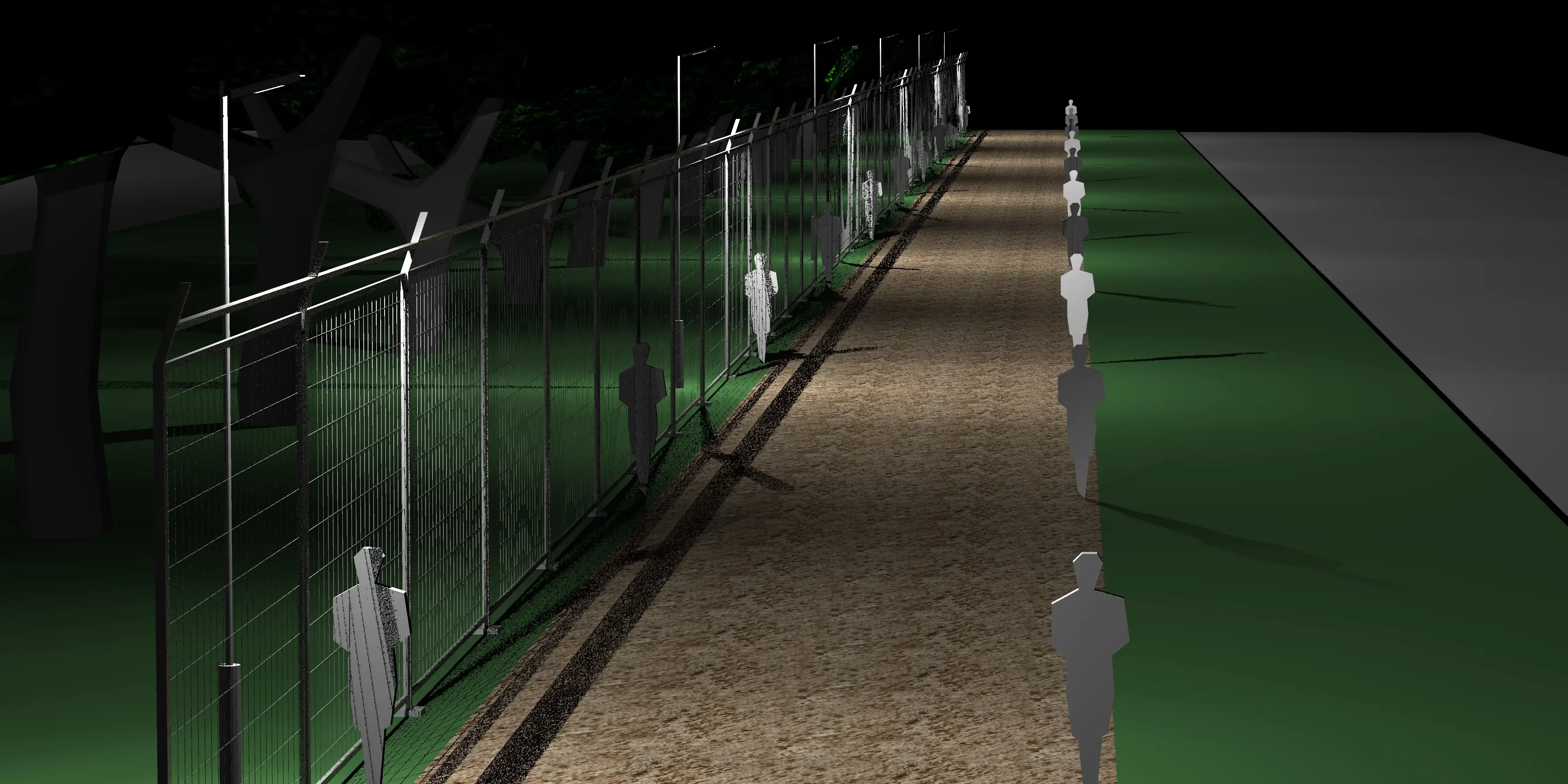
Since Street lights are mounted high (approx. 5m-12m high) and directed downward, they create deep shadows behind objects such as trees, fences, vehicles, or buildings. Individuals standing in these shadowed areas may become difficult to identify.
In many situations, individuals may be standing behind objects, next to structures, or directly beneath the light source, resulting in poor visibility in surveillance footage. This can significantly impact investigations where accurate identification is required.
- Limited Facial Visibility
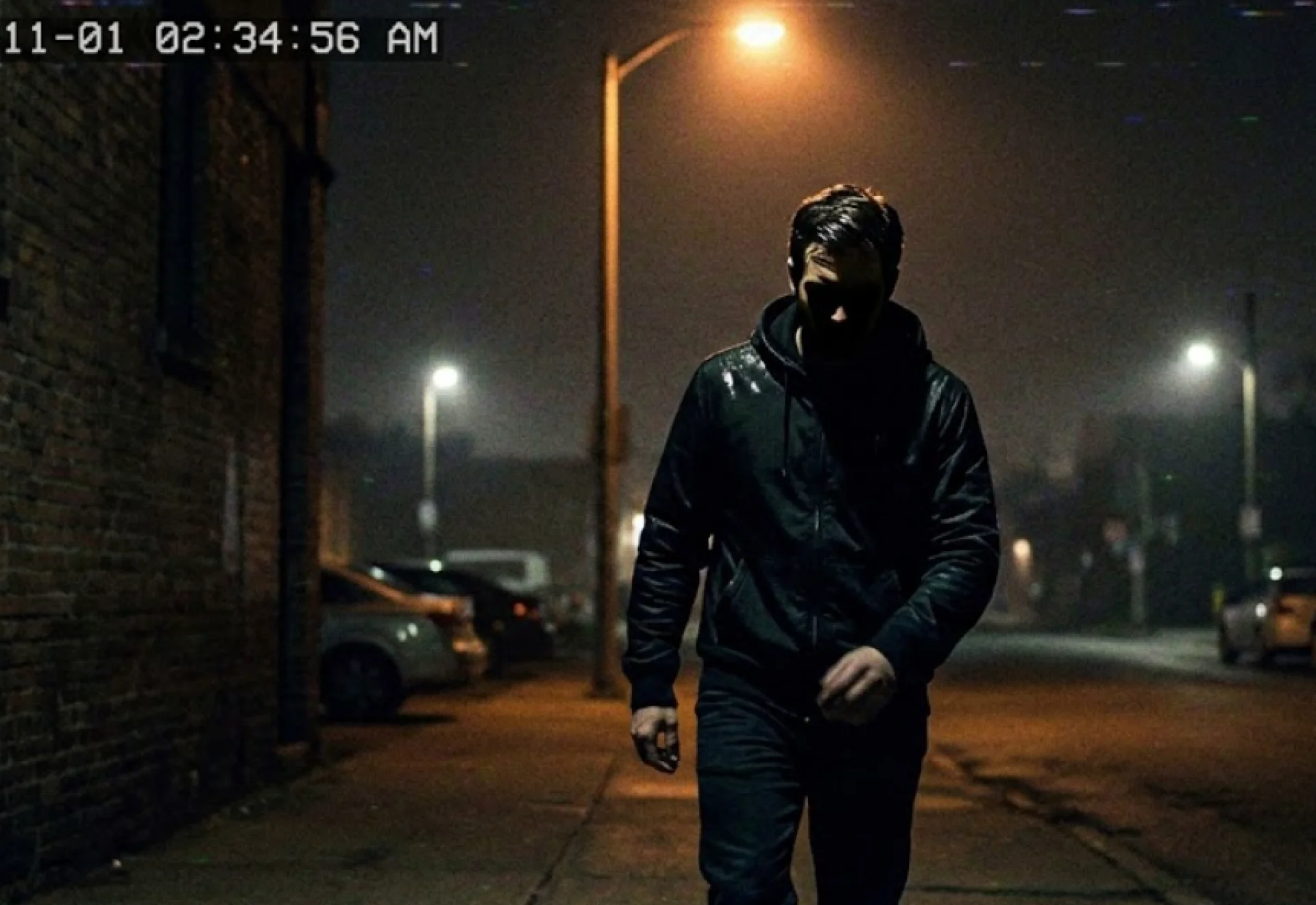
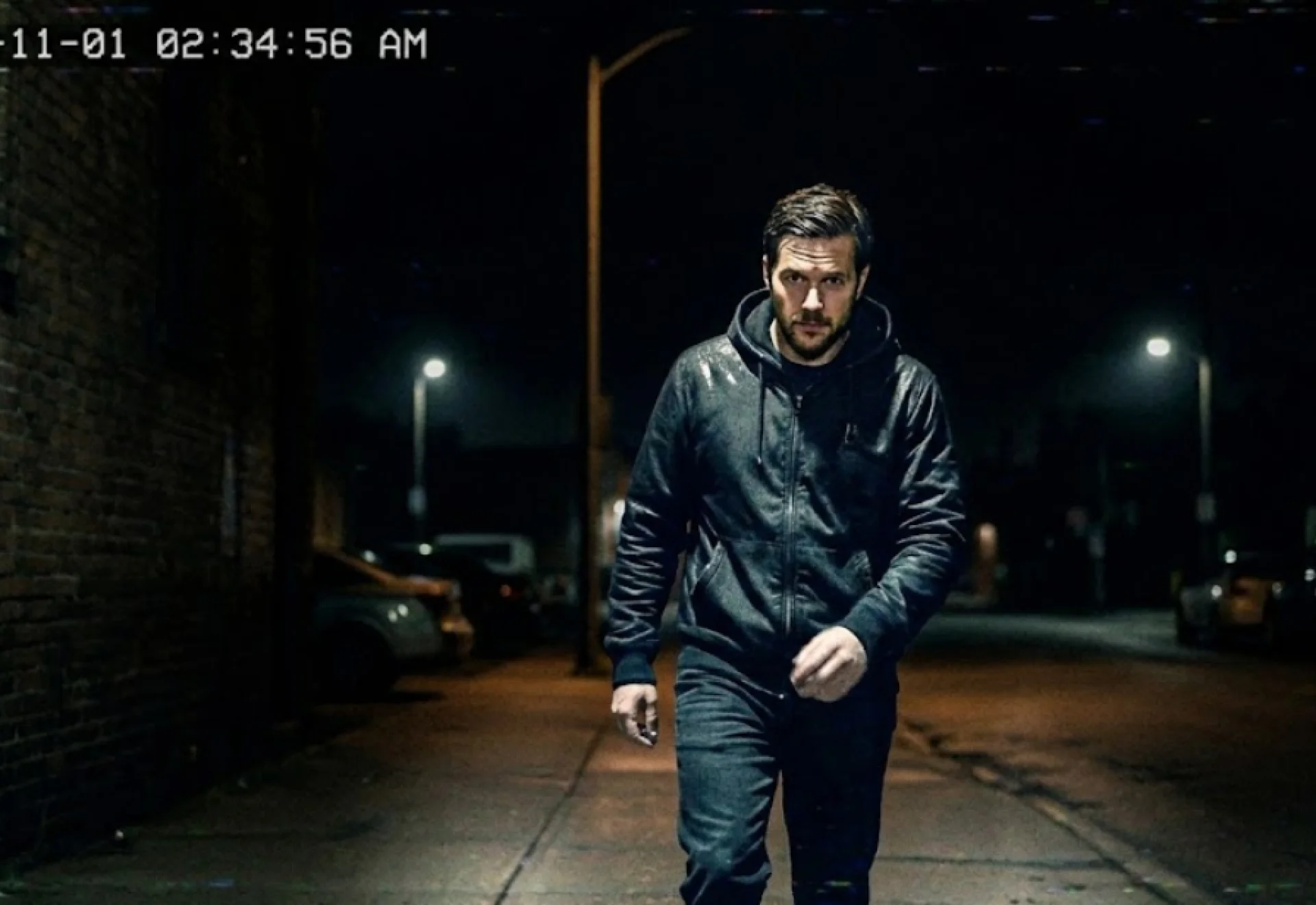
Street lights typically include glare control to prevent discomfort for drivers and pedestrians. While this is beneficial for road safety, it can reduce illumination on a person’s face, making facial recognition challenging for surveillance cameras.
The Role of Dedicated Surveillance Lighting
Dedicated video surveillance lighting is designed specifically to address these challenges. Unlike general street lighting, it is engineered to support surveillance objectives such as subject identification, facial recognition, and Automatic Number Plate Recognition (ANPR).
Key advantages include:
- Optimised Illumination for Cameras
CCTV lighting focuses on vertical illumination, ensuring that faces and vehicle plates are clearly visible to cameras rather than just lighting the ground. - Alignment with Camera Field of View
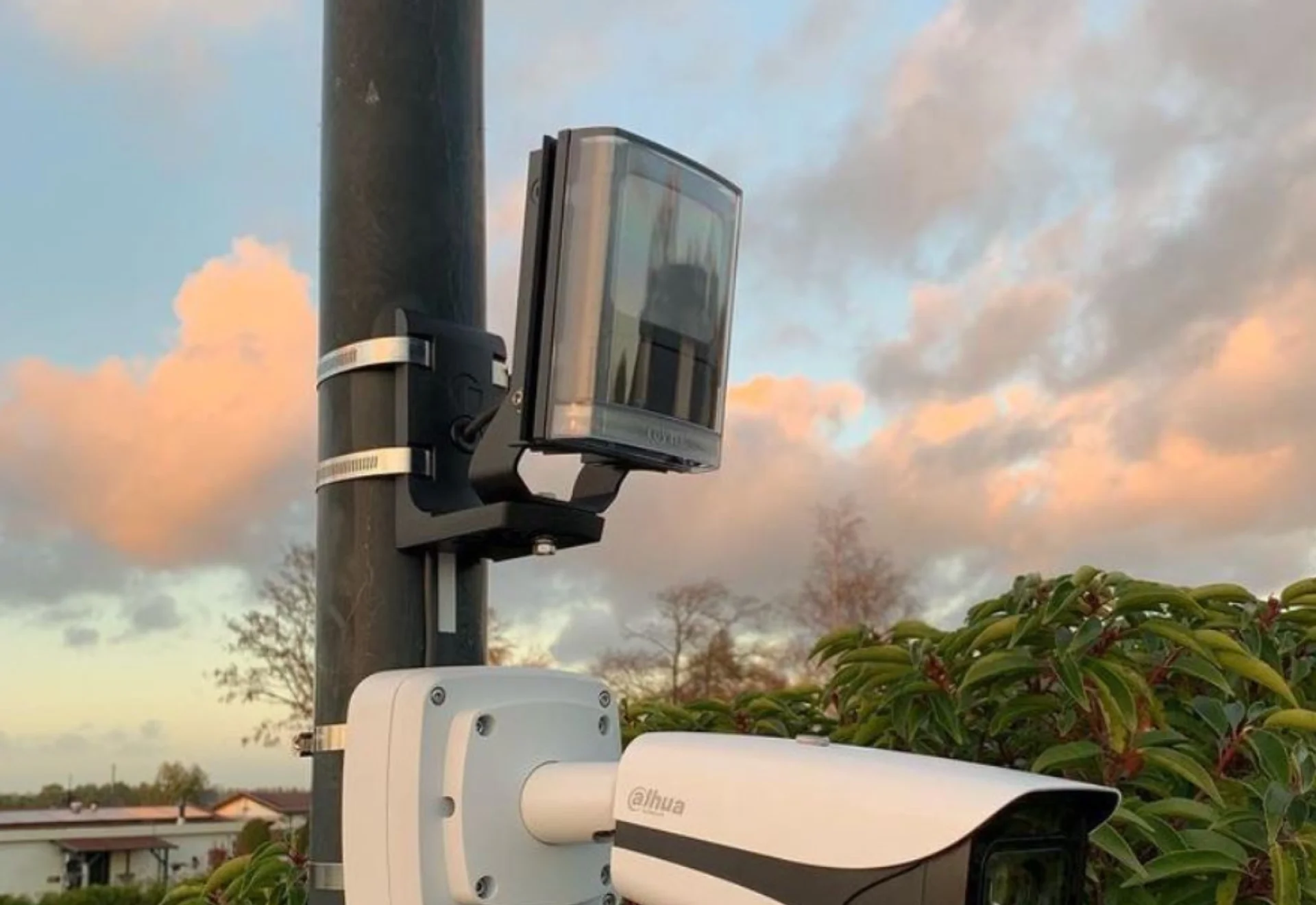
Instead of being fixed in a top-down position like street lights, CCTV lighting can be angled to match the camera’s field of view, providing targeted illumination exactly where the camera needs it. - Consistent Coverage Across the Target Area
Dedicated lighting ensures uniform illumination across the surveillance zone, reducing shadows, improving overall image clarity and optimising illumination for facial recognition. - Infra-red Monitoring Capability
While street lights provide visible white light, dedicated CCTV lighting can also use infra-red illumination. This allows surveillance in low-light or covert environments where visible lighting may not be appropriate. Based on the requirement, one can choose white light for coloured images, infra-red for more detailed black and white footage, or a hybrid model that combines the powers of both!
- Improved Video Quality and Analytics
Another advantage of dedicated surveillance lighting is its impact on video quality and analytics performance.
When cameras operate in poorly lit environments, they often introduce digital noise into the footage. This not only reduces image clarity but also increases file sizes.With properly designed surveillance lighting:- Image noise is reduced
- Video compression becomes more efficient
- File sizes are smaller
- Bandwidth and storage requirements decrease
- Help video analytics to accurately identify any intruders and relay a reliable alarm.
This leads to lower overall operational costs for surveillance systems.
- Energy Efficiency Benefits
Dedicated lighting systems can also be highly energy efficient. When used alongside existing street lighting, they require only a fraction of the additional energy while significantly enhancing visibility and enabling higher-quality surveillance footage.
Conclusion
Street lighting plays an important role in creating safer environments, but it was never designed to meet the technical requirements of surveillance systems.
For accurate identification, reliable monitoring, and high-quality footage, dedicated surveillance lighting is essential. By providing targeted illumination aligned with camera requirements, it significantly enhances the effectiveness of security infrastructure.
To learn more about our lighting solutions, please contact us at solutions@raytecled.com.