

Lighting for ANPR Barrier Control

Automatic Number Plate Recognition (ANPR) or License Plate Recognition (LPR) systems have become indispensable for managing car parks, ensuring safety, and streamlining operations. A critical component of these systems is the lighting infrastructure, which must be reliable and efficient. Infra-red (IR) lighting has proven to be an optimal solution for capturing number plates, offering a consistent and powerful light source that is particularly effective in challenging lighting conditions, such as low-light environments or overcoming headlight glare. By providing adequate illumination, IR lighting enhances the clarity and sharpness of captured images, making it easier for the ANPR system to accurately identify and read number plate characters. Additionally, IR lighting can help improve the contrast between the number plate and its background, further aiding in recognition by making the numbers stand out more distinctly.
Automatic Number Plate Recognition
ANPR is the technology used to automatically capture the details of a vehicle’s number. ANPR has various uses, such as in car park or toll road access, monitoring driver speed, as well as tackling traveling criminals, and generally disrupting crime on the roads. The need to read and detect a vehicle’s plate is one of the most common requirements for transport systems used across the world. The systems do so by incorporating components like advanced cameras, optical character recognition (OCR) technology, specialised lighting, software algorithms, and database integration.
Raytec, with its decades of experience in the security and transport industries, is a leading provider of solutions that deliver smart, situation-dependent lighting with unparalleled power and network capabilities. Our expertise lies in crafting tailored lighting systems that meet the specific requirements of various kinds of environments, including car parks. By leveraging advanced LED technology, we deliver solutions that enhance ANPR performance, ensuring accurate vehicle identification and efficient barrier control.
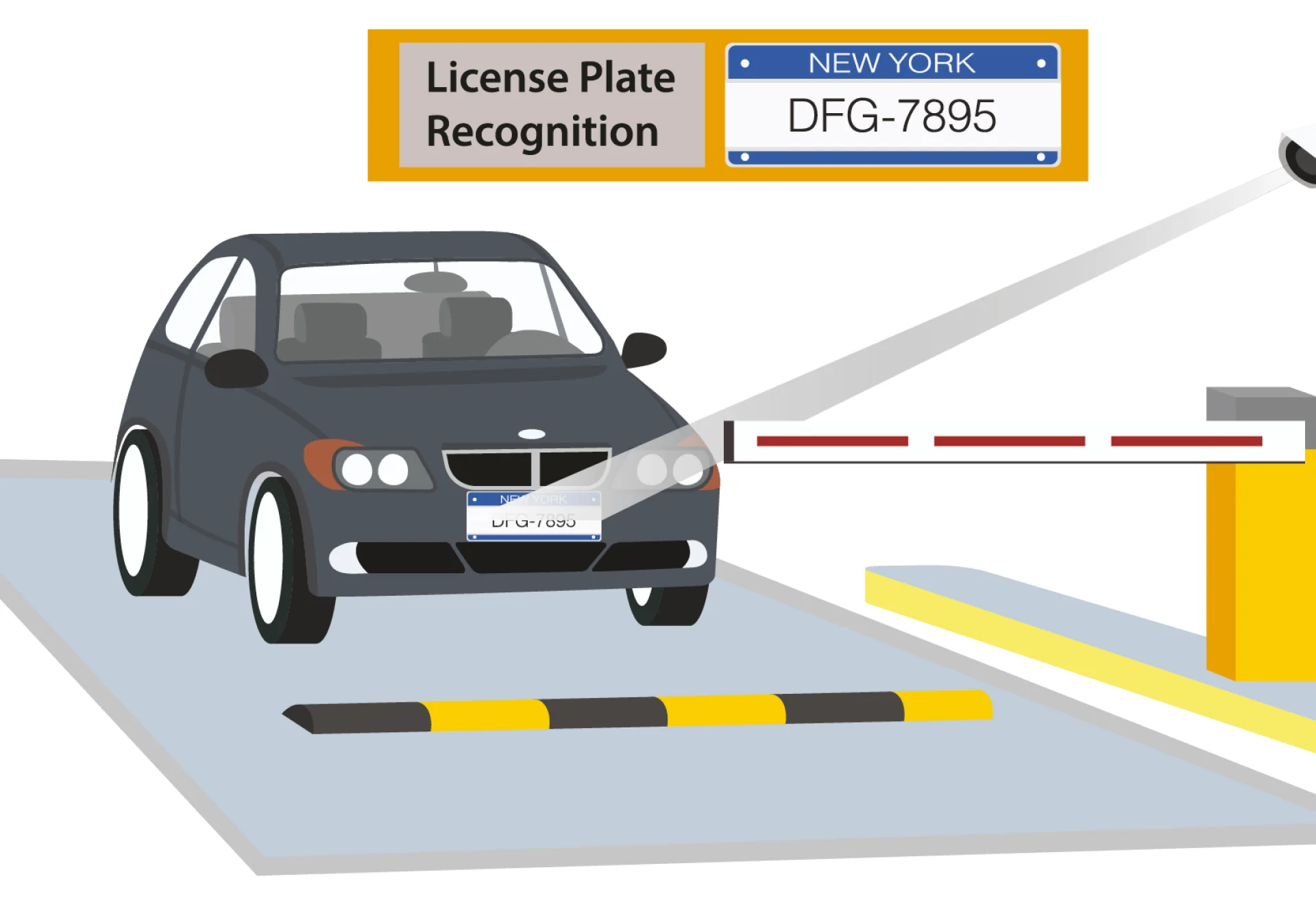
How ANPR is Used for Automated Barrier Systems
Barrier control systems differ from one another depending on their intended use but they all ‘typically work in conjunction with intelligent access control systems. Intelligent control systems involve a range of technologies, including lighting, that control the barrier and allow/disallow access through the barrier. Some more advanced access control systems can even be used with CCTV-style cameras that detect the number plates of cars that move through. Depending on the functionality purposes of your automatic barrier, they can deny access to cars with unrecognised number plates, track the entry of certain cars to calculate parking fees, and more.’
(IDS Security)
Typical Applications for Automated Barrier Systems
The effectiveness of ANPR systems hinges on the quality of the captured number plate images. High-quality lighting is essential to ensure that these images are clear, accurate, and usable for various applications. Let’s have a look at some of the applications.
1. Vehicle Entry – The systems at car parks employ a number plate recognition camera to scan vehicles approaching the barrier. If the detected number plate matches a registered one in the system’s database, the barrier automatically lifts, allowing entry. Conversely, if the number plate is unregistered, the barrier remains closed, preventing access. This type of system is widely used in airports, office building car parks, and other controlled access areas.
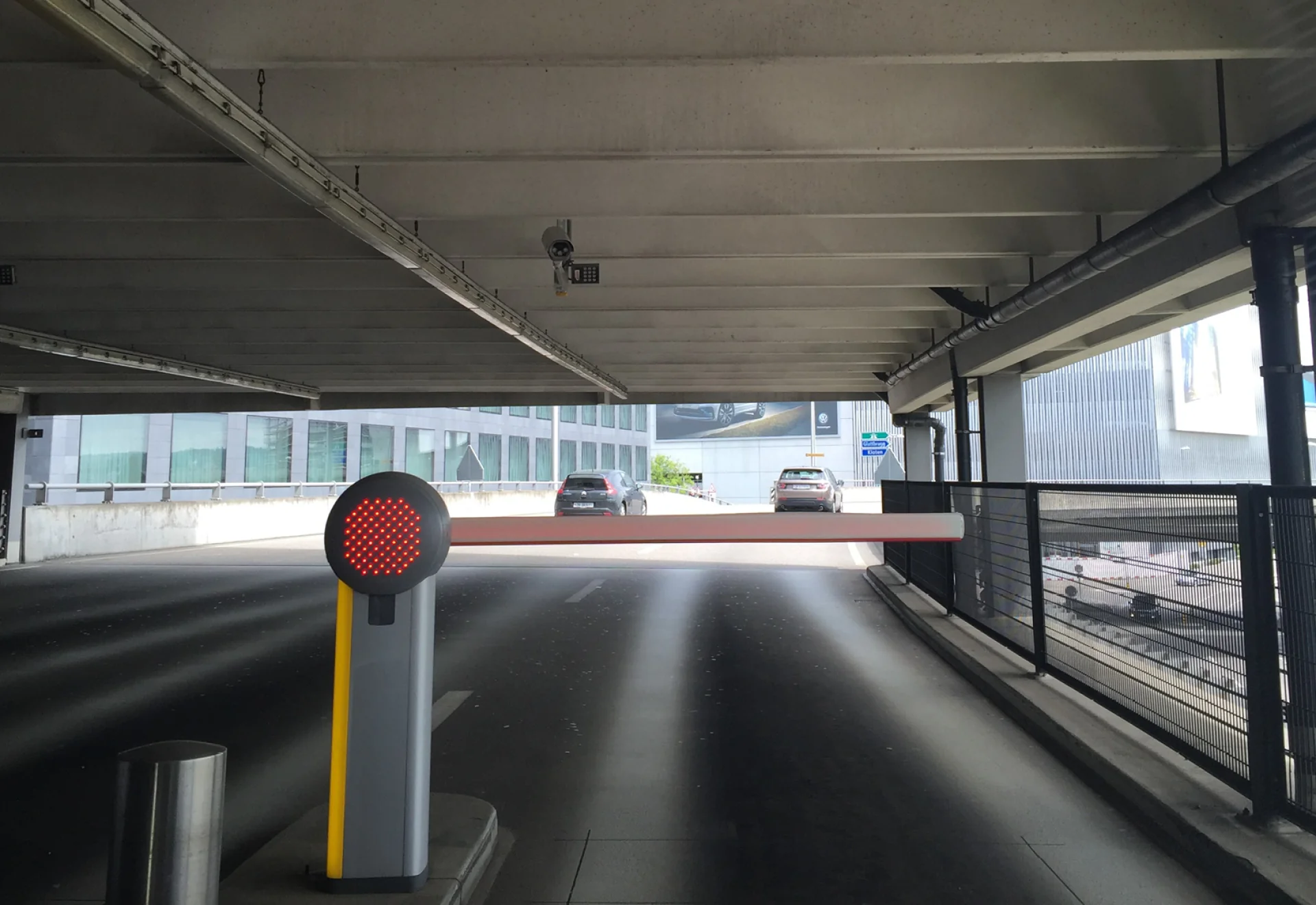
2. Carpark Payment – Upon approaching the barrier, a car’s number plate is captured by the system. The barrier lifts,allowing entry. When the driver exits the building, they pay the parking fee at a designated machine. The system then verifies the payment against the captured number plate. If the payment is confirmed, the barrier automatically opens upon the driver’s departure. However, if the payment is not made, the barrier remains closed, preventing exit. This payment system is frequently used in airports, shopping malls, and hospitals.
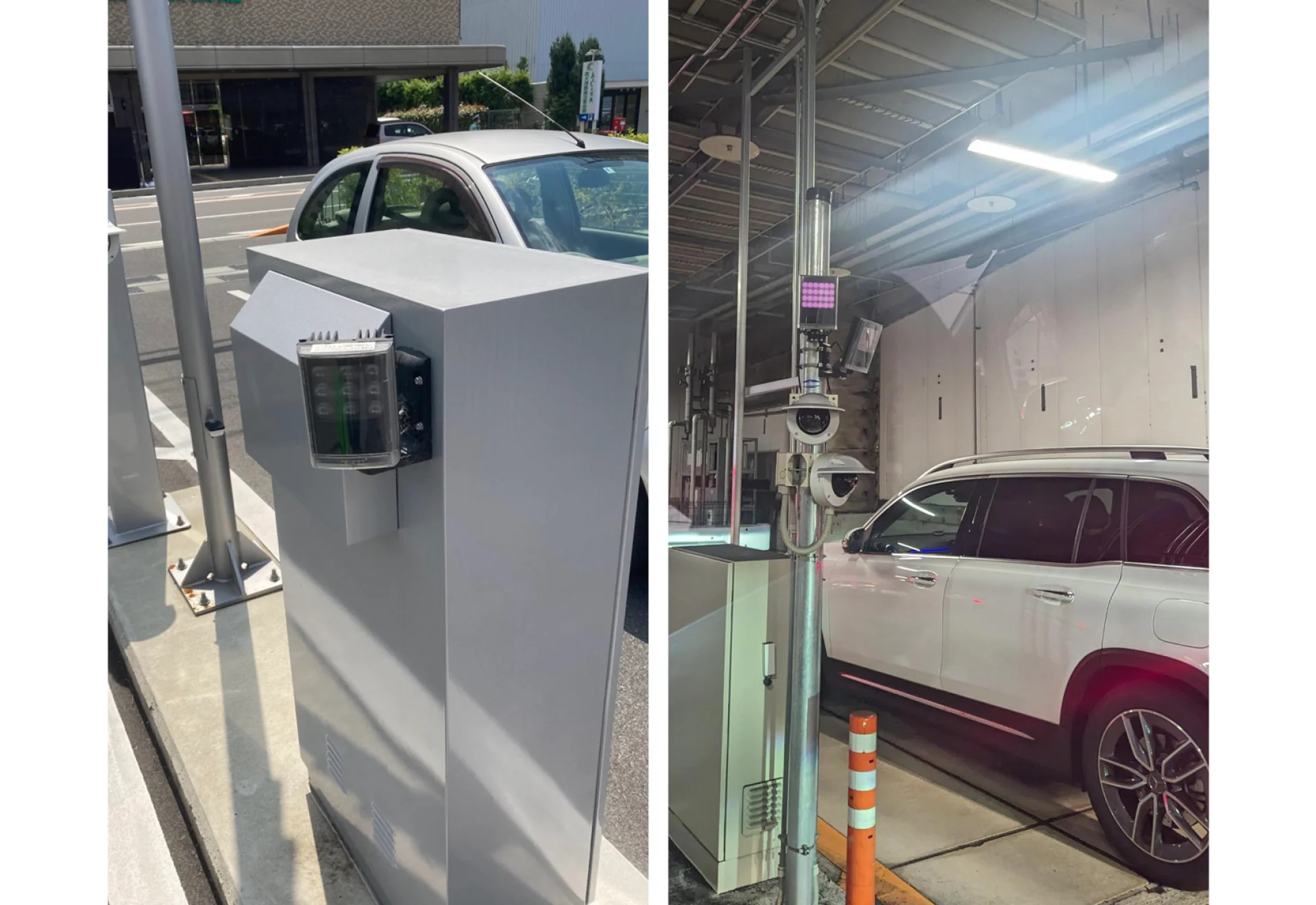
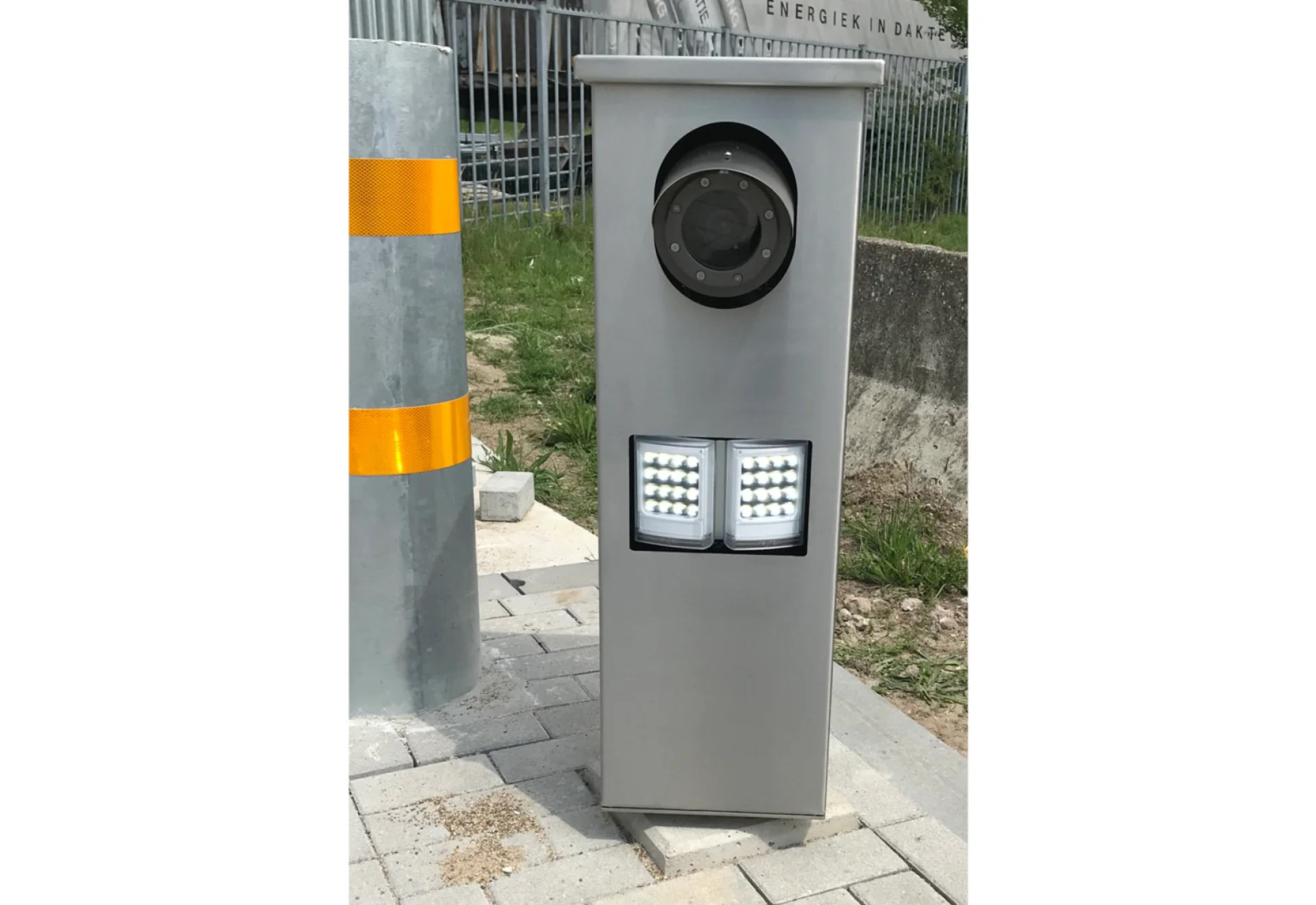
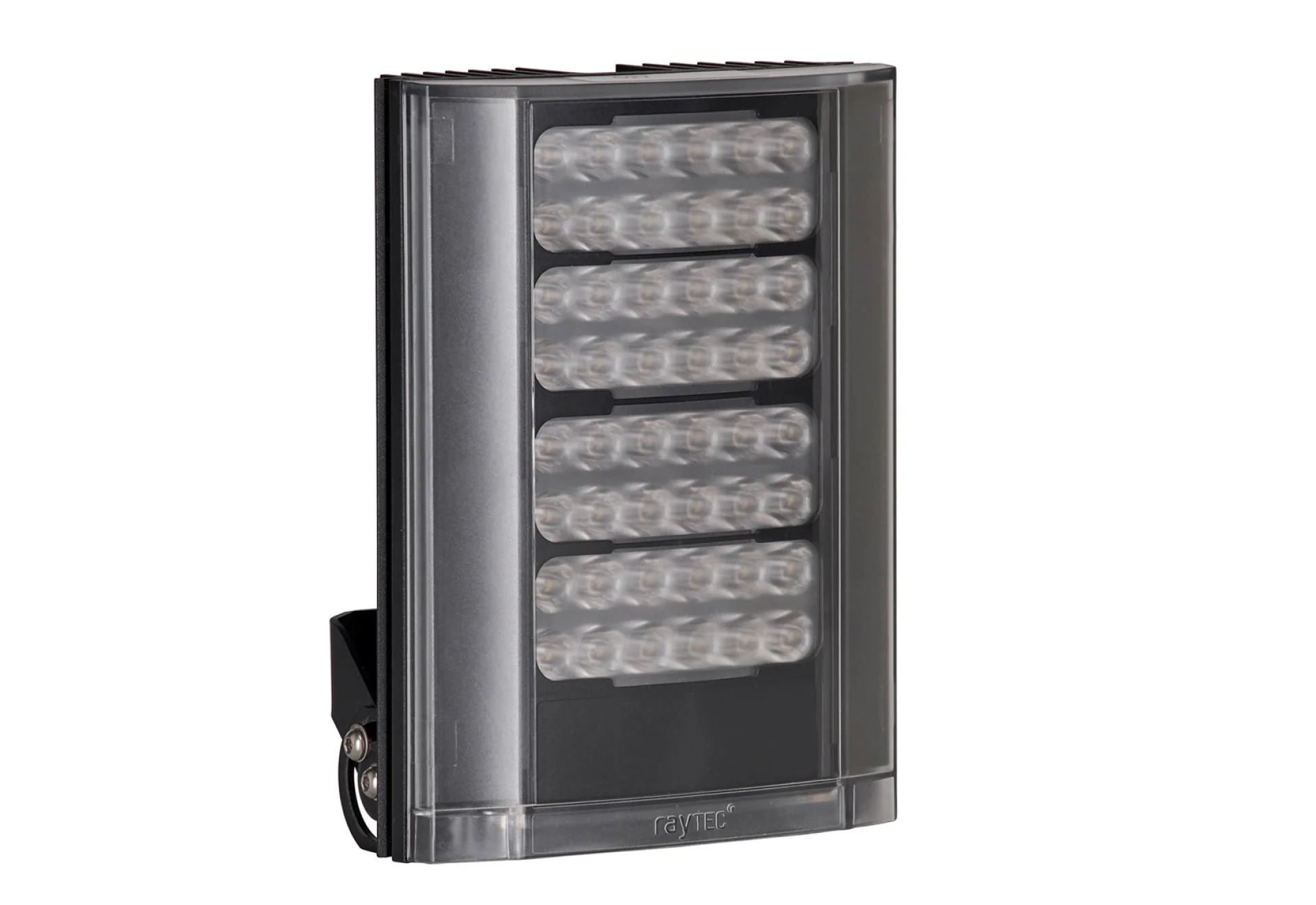
Take an example of a shopping centre in Shiga, Japan. In their car park, charges apply after 3 hours of the vehicle being parked. To monitor this, they require a high-quality image of the number plate which is only possible if there is a high-quality lighting solution. If there isn’t enough light, you risk not capturing appropriate imagery to allow the system to function effectively. They have therefore installed the Raytec VARIO2 i4 infra-red illuminators to help the camera capture clear images of the vehicles entering and leaving the car park, more specifically, the number plates of the vehicles to aid their parking lot management. This means that if the number plate is not recognised within the system, the barrier won’t open. Similarly, the AEON Mall in Kyoto has used VARIO2 Infra-Red for their operations.
3. Border Control – Lighting at border crossings is crucial for security purposes, ensuring clear visibility of vehicles and individuals. Lighting systems should be weatherproof to withstand harsh conditions and provide sufficient illumination for night time surveillance and vehicle inspection. Due to the high-security nature, this might also be a case of seeing through windscreens for driver recognition. We touch on this later in the application focus. Advancements in infra-red technology allow the system to “see through” windscreens under certain conditions, while also capturing the number plate information even when a parking ticket might be obscuring the view. A wavelength of 730nm, or Far Red, is also becoming more popular in ITS (Intelligent Transport System) applications. However, 730nm tends to have a more specific use for seeing through the windscreen of a vehicle, to identify occupants within.
Challenges with Barrier Systems
Automatic barrier systems, while offering convenience and security, face several challenges that can impact their reliability and performance. One of the primary challenges lies in capturing high-quality images of license plates, particularly in dynamic and adverse conditions. Some of the challenges include:
• Glare and Reflections: Strong sunlight, headlights, and other light sources can create glare and reflections on the license plate, reducing image clarity.
• Varying Lighting Conditions: Automatic barrier systems must operate reliably in both bright daylight and lowlight conditions, such as night-time or foggy weather.
• Adverse Weather Conditions: Rain, snow, fog, and dirt can obscure license plates, making them difficult to identify.
Other challenges can be specific to the type of number plates used around the world. Different countries and regions use various license plate formats, including different fonts, colours, and reflective properties. These variations can pose challenges for image processing algorithms.
Specifying Lighting for Automated Barrier Systems
Light Types: Wavelength
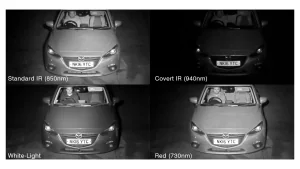
Infra-Red (850nm)
Infra-red lighting is a form of electromagnetic radiation which is invisible to the human eye. Because Infra-red light is not visible to the human eye, it provides an ideal solution for barrier control without disturbing the driver. It allows the camera to achieve high-quality images during night-time when there is little or no ambient light. Infra-red illumination is also an effective solution for applications where there is a concern for light pollution and the use of visible light may be considered obtrusive.
Compared to visible light, Infra-red has longer wavelengths that can travel through dust and moisture. Infra-red lighting is also beneficial because it is less likely to cause glare compared to visible light and improve contrast between the number plate and its background, ensuring clearer and more accurate plate readings.
ANPR systems typically utilise Infra-red lighting to detect and read vehicle number plates. However, in certain
environments, White-Light or a Hybrid (see table) approach may be more suitable. Let’s understand these
wavelengths with a brief comparison:
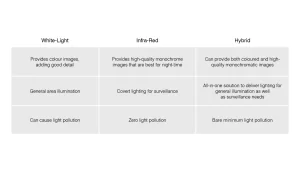
While IR lighting is the primary choice, there are instances where other lighting options may be considered:
White-Light
While White-Light is not the go-to for barrier applications, we have worked on several automated systems that incorporate it. For example, Belgian plates or those with red or other coloured lettering may require white light for optimal identification. The standard Infra-red lighting, typically used in these scenarios, was incompatible with the red characters on the number plates, which meant the system risked misreading the plates. Misreading the number plate would result in a system failure with incorrect data being recorded and, in many cases, access to the site would be denied.
The solution was to design this system using Raytec pulsed White-Light illuminators, specifically the PULSESTAR W32 units, installed at each of the three access gates on-site. The White-Light units ensured the characters on the plates were visible for the camera to read and synced with the camera shutter speed for precise illumination.
Far-Red 730nm
Far-red 730nm illuminators, while not essential for standard barrier control, offer a significant advantage in high security environments like government facilities. Their ability to penetrate glass and capture high-quality images of drivers and passengers, even through tinted windows, makes them ideal for stringent access control.
Unlike traditional lighting methods, which may struggle with tinted windows or dirty windscreens, far-red 730nm
illuminators can provide clear and detailed images even in challenging conditions. This ensures that the barrier system can accurately identify vehicle occupants, even when other methods might fail.
For example, in a high-security government facility, far-red 730nm illuminators can help verify the identity of authorised personnel, detect unauthorised attempts, and monitor vehicle traffic, providing a critical layer of security. By providing sufficient illumination to capture clear facial features, these illuminators play a crucial role in triggering the barrier only when authorised individuals are present.
It is important to note that we’d only recommend the 730nm for seeing through windscreens and not for identifying number plates.
Learn more about seeing through windscreens here.
Pulsed Lighting
Pulsed lighting can be a valuable tool for enhancing ANPR performance in barrier control applications, mainly for less reflective number plates that may require more power. By synchronising the lighting with the camera’s shutter, pulsed lighting systems can deliver significantly more light during the brief illumination periods. This is because the light only needs to be switched on for a fraction of the time compared to a constant light illuminator. This concentrated burst of light increases the signal strength reflected from the plate, enhancing image quality, and enabling more accurate vehicle identification, even in challenging conditions like low light or reflective plates. Integrating pulsed lighting enhances security and traffic flow while reducing the risk of unauthorised access and minimising energy consumption. This approach significantly reduces energy usage compared to a 24/7 constant illumination.
As Raytec’s pulsed lighting solutions are controlled by the camera shutter, this means that only when the vehicle is within the defined range will the lights switch on, saving energy and extending the lifetime of the illuminator.
IP Technology
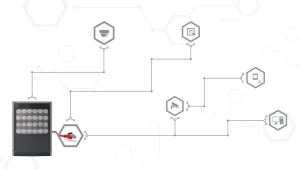
Raytec’s illuminators, in addition to addressing general ANPR car park lighting challenges, offer advanced IP (Internet Protocol) technology. This integration capability is particularly beneficial for ANPR/LPR systems that often involve multiple components including cameras, trigger mechanisms and software integration. By incorporating illuminators into leading Video Management Systems, operators can streamline management and control. This allows for remote control of individual illuminators or entire sections, such as those associated with automated barrier systems. Such remote control enables timely responses to events, optimising system efficiency. When designing complex ANPR systems, prioritising IP-enabled illuminators is crucial. Ethernet connectivity facilitates communication with other network devices, enabling real-time remote control. VARIO2 IP illuminators contribute to enhanced image quality from cameras, resulting in reduced noise, improved compression, and lower bandwidth/storage demands.
Lighting for Signalling
Lighting plays a crucial role in signalling systems, providing visual cues that guide and direct traffic. Our installations in the Middle East utilise a network of red and green lights that are specifically designed to react to automated number plate scanning. These lights serve as an effective means of communicating information to drivers, ensuring safety and efficiency on the roads.
The combination of red and green lights offers a versatile signalling solution. Red lights are typically used to indicate a stop or caution, while green lights signal a go or proceed. In our Middle Eastern installations, these lights are integrated with ANPR (Automatic Number Plate Recognition) systems. When a vehicle approaches a barrier or intersection, the ANPR system scans the number plate and determines whether the vehicle is authorised to proceed. Based on this information, the red or green lights are activated accordingly, guiding the driver’s actions.
Testing Your System
To ensure that our lighting solutions meet the specific needs of each project, we offer comprehensive testing and
customisation services. Our demo program allows end-users to evaluate units in real-world conditions before making a final purchase. This hands-on experience helps clients make informed decisions and select the most suitable lighting solution for their application.
Our team of experts can work with clients to tailor our lighting solutions to their unique requirements. This may involve adjusting the colour, intensity, or placement of the lights to optimise their performance in specific environments. Additionally, we can provide support for integration with other systems, such as ANPR, traffic management, and security systems. By investing in thorough testing and customisation, we ensure that our lighting solutions deliver maximum value and meet the highest standards of quality and performance.
Conclusion
ANPR car park systems equipped with robust Infra-red lighting offer a comprehensive solution for automatic barriers in car parks. By ensuring reliable plate recognition, these technologies enhance security, improve efficiency, and provide a superior parking experience. Investing in high-quality Infra-red lighting is essential for maximising the performance and accuracy of ANPR barrier systems.
Raytec, a leading manufacturer of advanced LED lighting solutions, offers a comprehensive range of lighting products specifically designed for security applications like ANPR/LPR systems. Our expertise ensures you get the best possible performance and optimal accuracy for your ANPR car park system.
Contact us today at sales@raytecled.com to learn more.
Explore Raytec’s solutions here.