

Lighting for Chemical Industries

Download PDF
The evolution of chemical industries has been marked by advancements in safety protocols. One such advancement lies in the realm of lighting, where innovation has ensured safe and efficient operations. Illumination thus plays a role beyond lighting, not just as a necessity, but as a strategic advantage. Lighting for hazardous areas, such as chemical industries, requires specialised fixtures that are certified, and explosion protected to prevent ignition of flammable gases or dust.
Raytec, a global leader in LED lighting for hazardous areas, has pioneered innovative solutions that redefine the standards of safety and performance. Our SPARTAN range of globally certified Ex LED luminaires delivers exceptional power, durability, and energy efficiency, ensuring optimal visibility and operational excellence even in the most challenging conditions. This application focus will discuss the significance of lighting in chemical industries, application types, and expert recommendations.
Why is Lighting Required for Chemical Industries
Lighting is essential in chemical industries such as
pharmaceuticals, petrochemicals, agrochemicals, and others for various reasons, but primarily for safety and operational efficiency. These industries rely on specialised lighting in laboratories, production sites, storage areas, and workplaces to ensure that tasks are performed accurately and securely.
Chemical manufacturing environments are often classified as hazardous areas due to the presence of raw solvents, chemicals, and by-products. Many of these substances are highly flammable, volatile, or reactive, posing significant risks of fires, explosions, or toxic exposure if not managed properly. Therefore, lighting in such environments must meet strict safety standards to prevent accidents.
Specialised lighting solutions, such as explosion-protected safe lighting, are required to reduce the risk of ignition. These lighting systems must be durable, reliable, and resistant to chemicals and environmental conditions present in industrial settings.
Typical Applications and the Challenges
Let’s look at some applications where hazardous area lighting is deployed, and the common challenges faced by them:
Pharmaceuticals
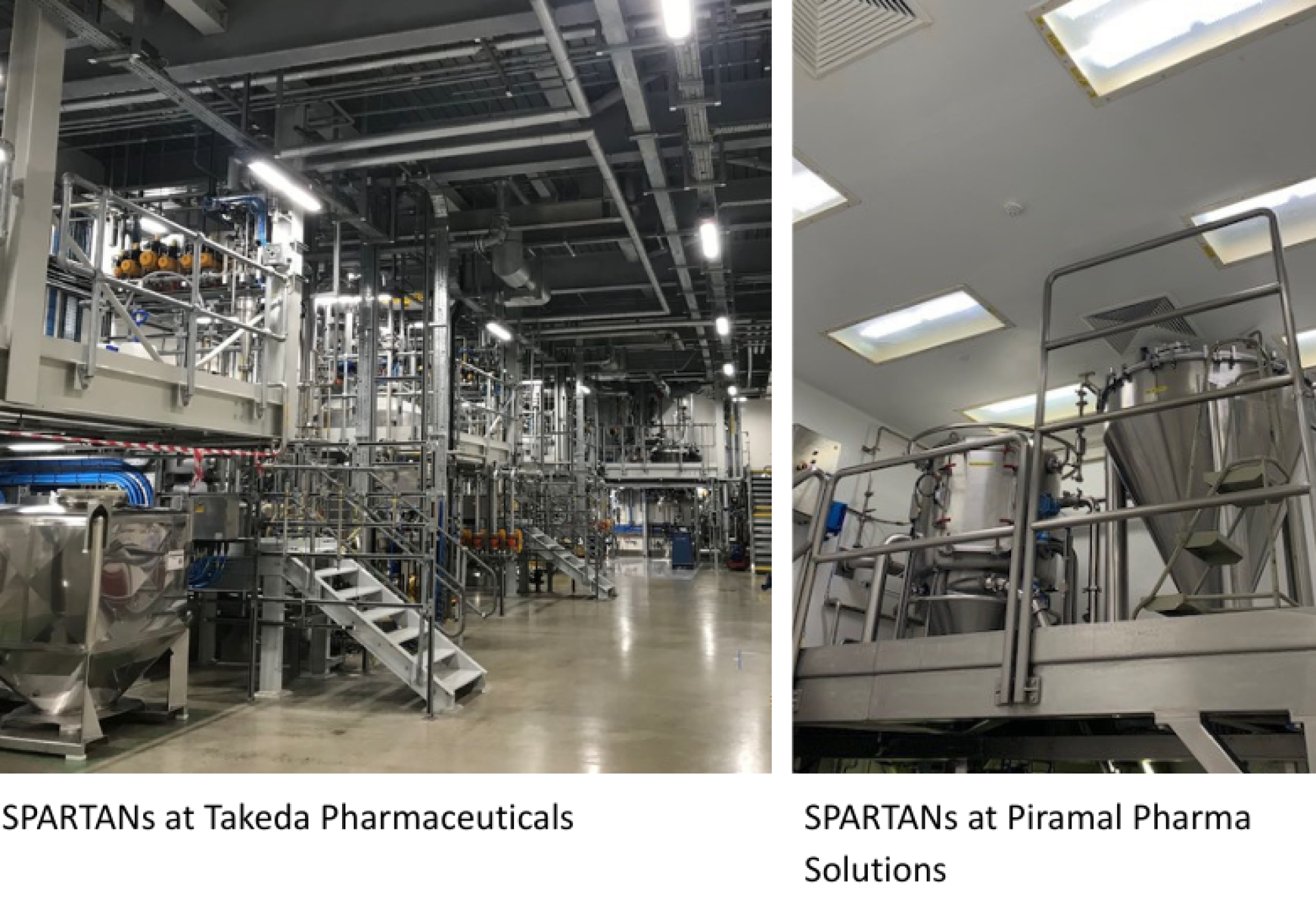
Pharmaceutical manufacturing facilities are classified as hazardous areas due to the presence of raw solvents, chemicals, gases, and dusts generated during production. Large-scale sites require extensive lighting solutions, including in clean rooms, storage areas, and manufacturing zones. Key challenges include:
• Explosion risks from solvents and gases
• Strict hygiene and cleanroom standards requiring
specialised fixtures like Recess Lighting
• Large-scale lighting needs across vast facilities
Petrochemicals
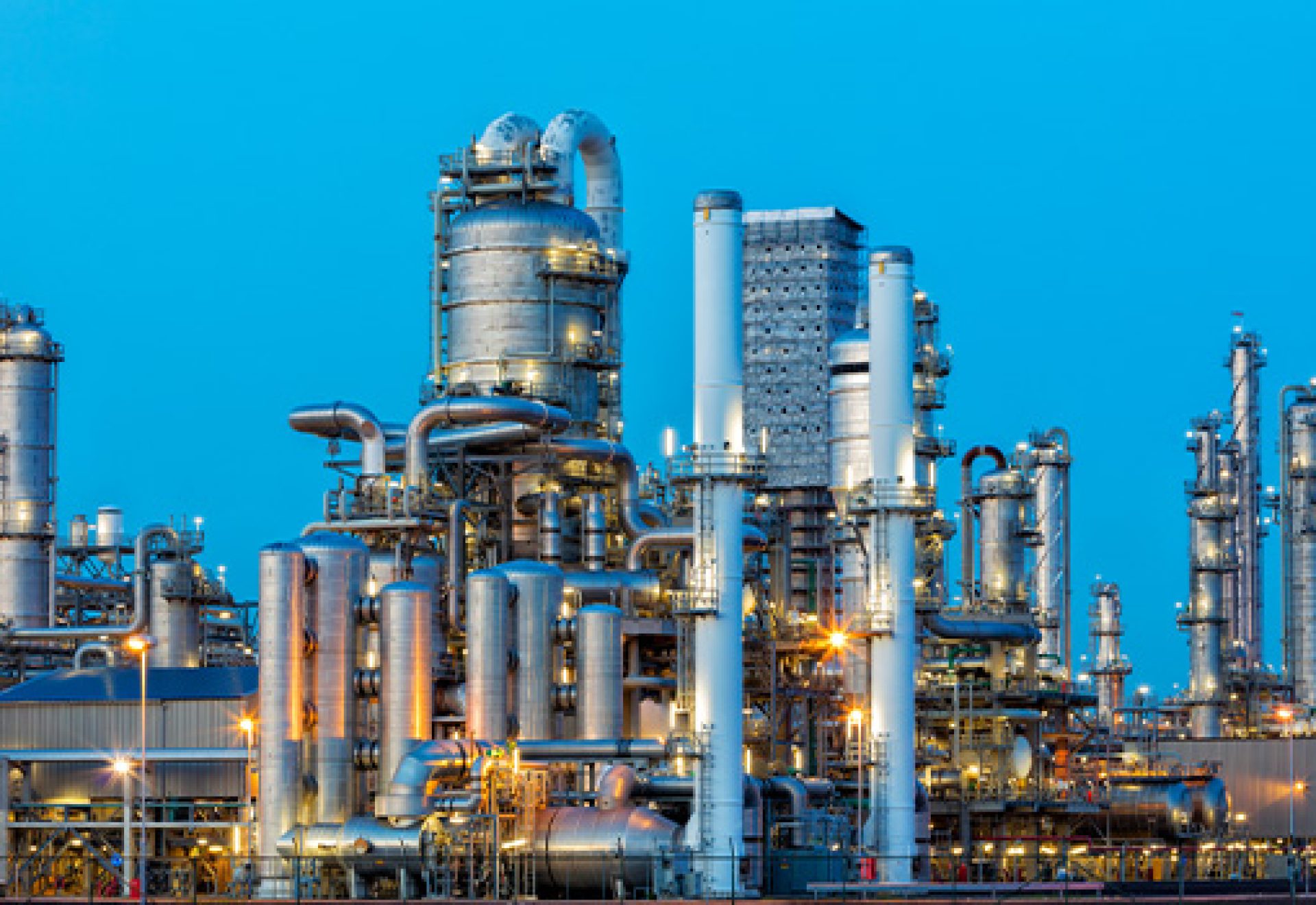
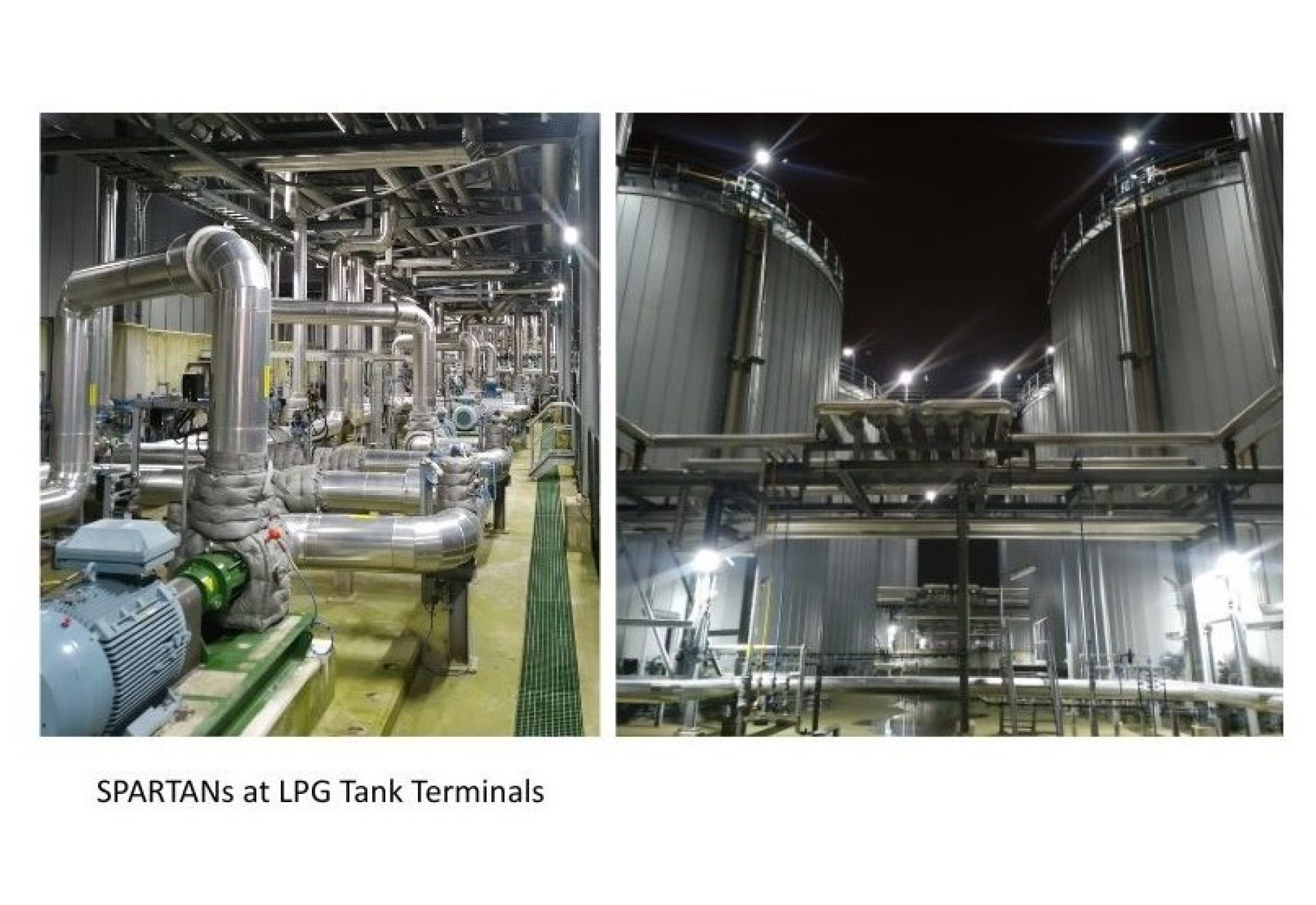
Petrochemical plants deal with flammable hydrocarbons and chemicals, creating explosive atmospheres where standard lighting cannot be used. Explosion-protected luminaires are essential, and placement is crucial to avoid glare and shadows. Challenges include:
• Explosion risks from volatile chemicals
• Harsh environmental conditions requiring robust
lighting solutions
• Optimal light distribution to prevent safety hazards
Agrochemicals
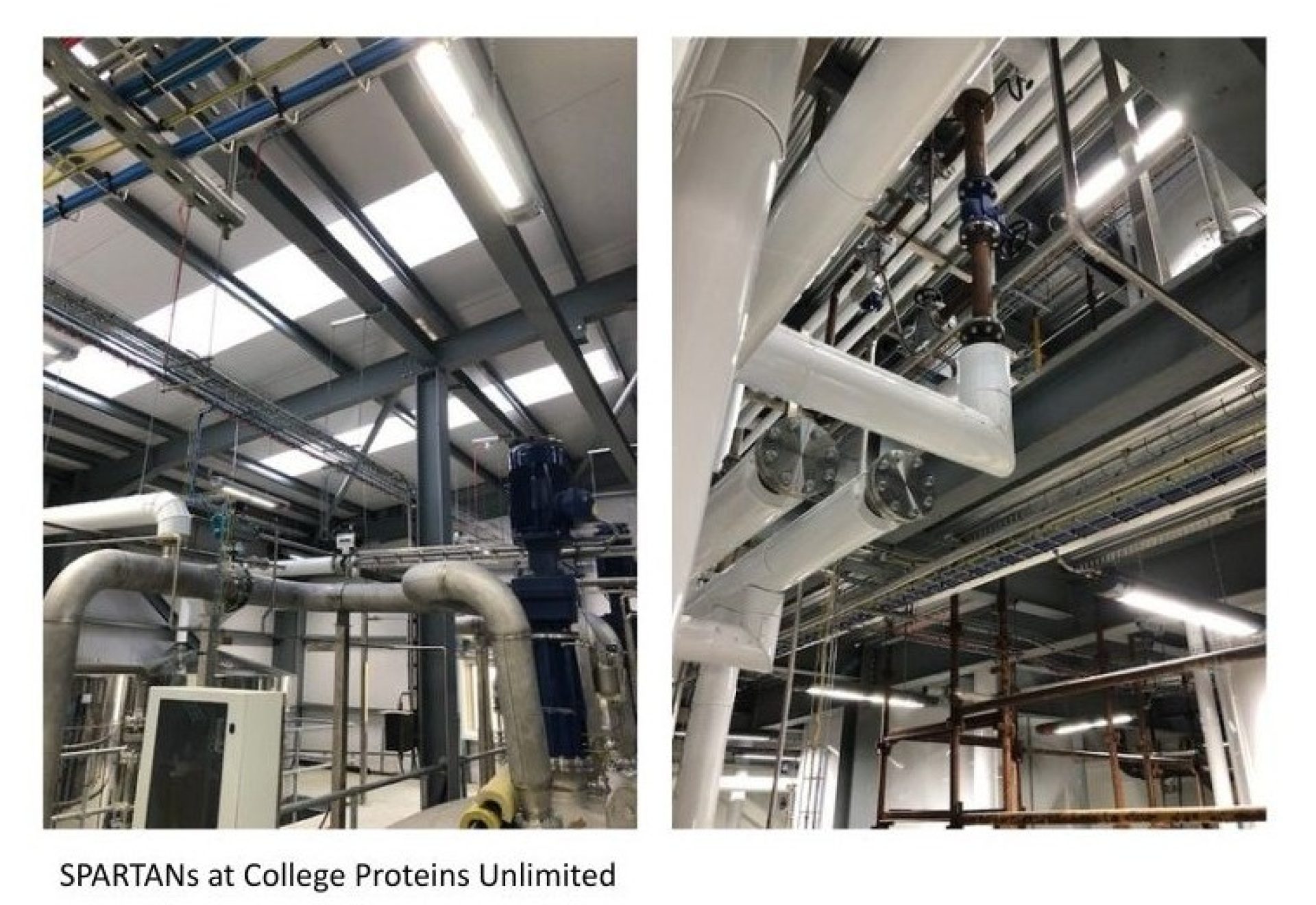
Agrochemical facilities handle hazardous pesticides,
fertilisers, and herbicides, often leading to exposure to dust. These operations run continuously, requiring reliable lighting tailored to different areas. Challenges include:
• Dust exposure from chemical handling
• Diverse installation needs across different ceiling types
• Continuous operations requiring durable, long- lasting lighting
Plastics and Polymer
Manufacturing plastics and polymers involves high temperatures, chemicals, and solvents, making fire-resistant and heat-tolerant lighting crucial. Plants also operate for long hours, demanding energy-efficient solutions. Challenges include:
- Heat and chemical exposure affecting lighting performance
- Energy efficiency concerns due to extended operation hours
- Minimal maintenance downtime to ensure smooth production
Let’s read about how we combat these challenges and our expert recommendation for chemical Industries.
Specifying Lighting for Chemical Industries
At Raytec, we understand the challenges associated with recessed lighting in hazardous environments and the industry’s need for a versatile, high performance solution that traditional products have yet to fully address.
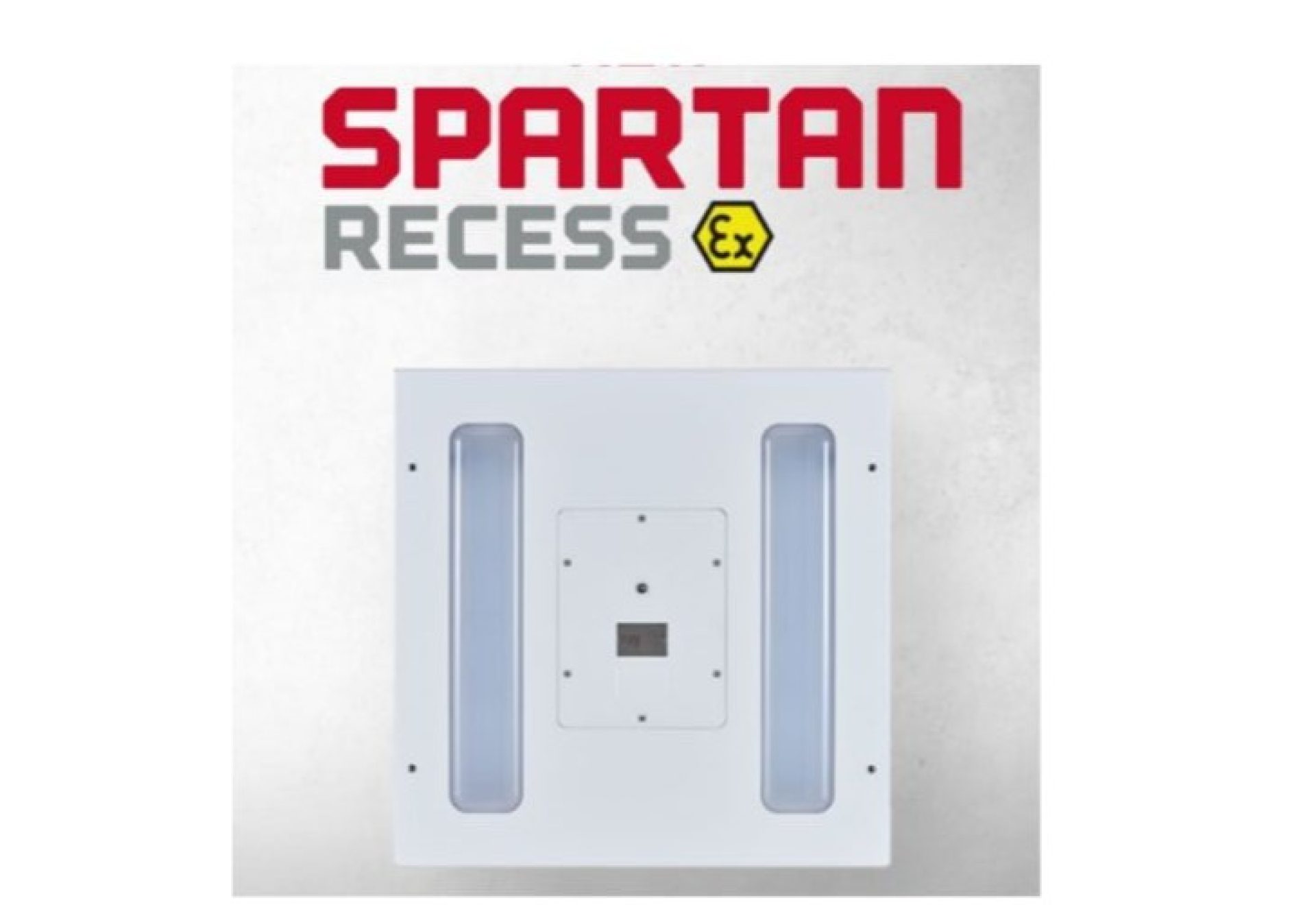
Leveraging over 20 years of expertise in specialist lighting, we developed SPARTAN Recess in 2024—a ground breaking innovation engineered to meet the unique demands of recessed applications across industries like those mentioned above. Designed to enhance efficiency, simplify maintenance, and improve safety, SPARTAN Recess sets a new standard for recessed lighting. Here’s how it overcomes key industry challenges:
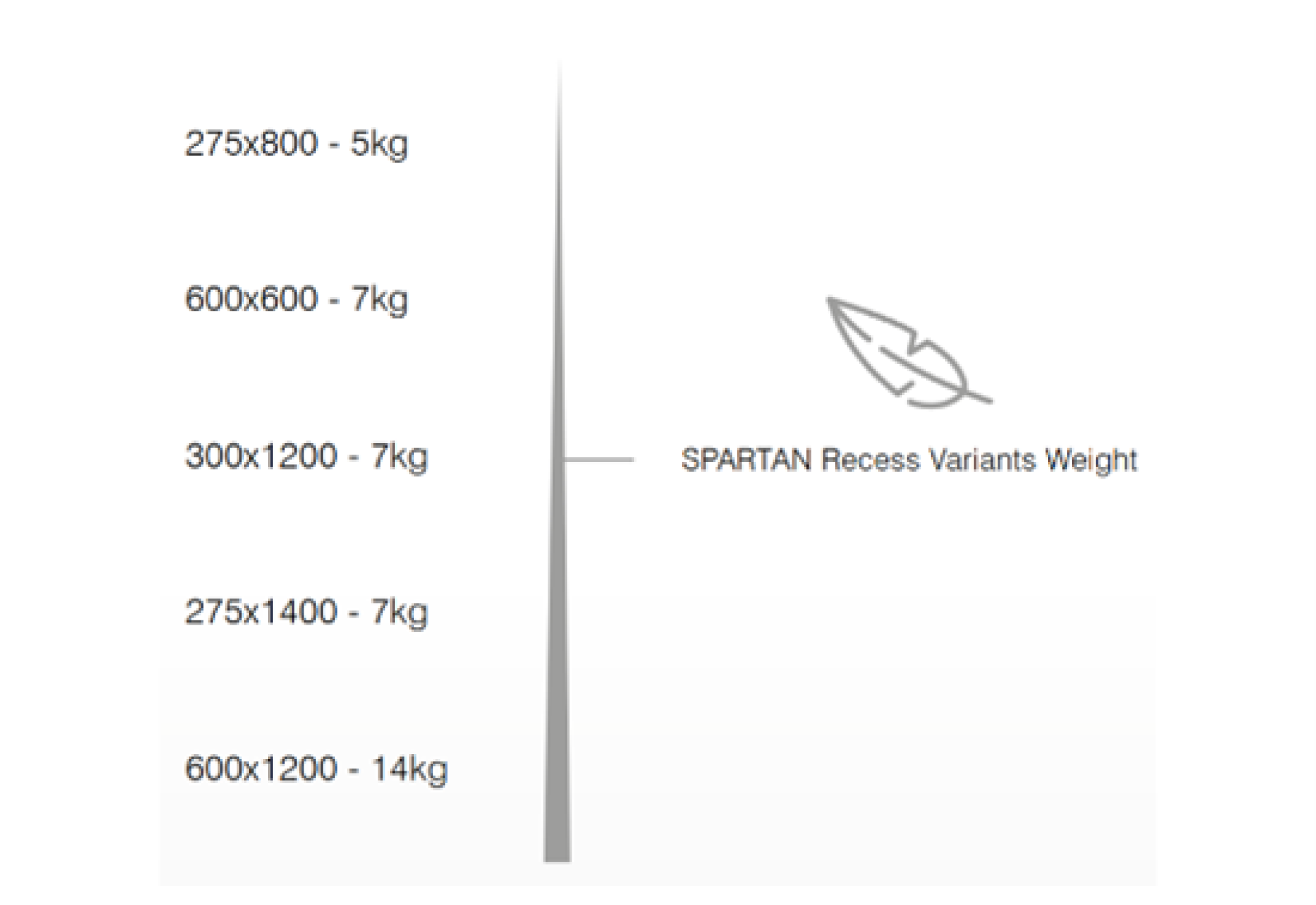
1. Challenge: Typical recessed lighting is designed around old technology with excess sheet metal, control gear, and ballasts which add a lot of weight on the ceiling and are not required on modern LED fittings. Over time, this added weight can lead to sagging or even structural failure, particularly in environments with suspended modular ceiling panels, such as cleanrooms in pharmaceutical sites, which are not designed to support excessive loads. In sensitive areas, ceiling instability can also compromise sterility, as even minor vibrations, dust displacement, or micro-cracks may jeopardise contamination control and regulatory compliance.
Solution: The SPARTAN Recess is engineered to be 50% lighter than comparable products. This significant weight reduction is achieved through a modular design that minimises the use of excess materials, combined with advanced LED technology.
The result is a high-lumen output that maintains energy efficiency while easing installation and reducing the load on the ceiling. The SPARTAN Recess offers a powerful, cost-effective lighting solution without the cumbersome weight of traditional recessed luminaires: The product maintains durability, with strength incorporated into each component, such as the PSU housing and light engines.
2. Challenge: Continuing from the application above of petrochemical industry, these are huge sites that require a large number of luminaires. This means that traditional recessed fluorescent luminaires would need regular maintenance and repairs. Considering there are large number of luminaires, the resources for maintenance will be exhaustive increasing costs.
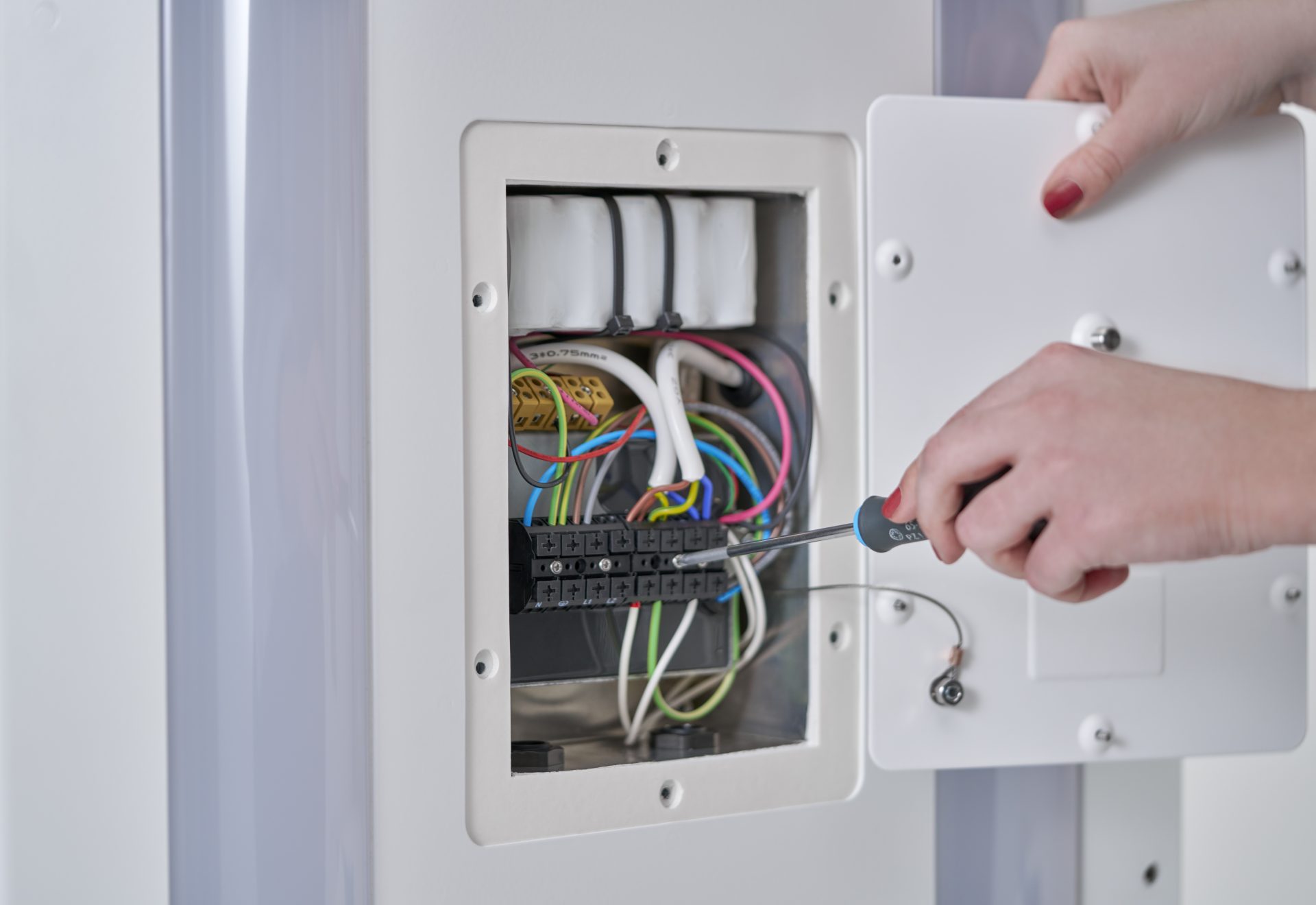
Solution: The SPARTAN Recess is designed with ease of installation and maintenance at its core. Ease of installation is especially important, and the product can be installed without the need for disassembly. Installers can access the product through the access points at the front of the fitting and use swing arm brackets that can be supplied, making installation quick and straightforward. The lightweight design also enables a one man install, which is a significant benefit, reducing the need for multiple people on-site. Its innovative, modular design, and low profile allow for installation in shallow ceiling voids, saving time and reducing the risk of errors. Maintenance is equally efficient, thanks to the ability to access the unit from both above and below the ceiling. This thoughtful design ensures quick and easy on-site servicing, making the SPARTAN Recess an ideal choice for environments where accessibility and minimal downtime are crucial.
3. Challenge: Typical products in the market cause a lot of light loss and wastage. This is because those luminaires use fixed beam angles which cause over-illumination, glare, and inefficient distribution. This means light is not directed precisely where needed.
Solution: The SPARTAN range of luminaires offer exceptional flexibility with a variety of beam angles to cater to diverse lighting needs. Whether the need is for a wide, even spread of light or focused illumination for specific areas, the SPARTAN Recess can be customised to provide the ideal beam pattern to target light where it is needed. With the option of diffused lenses, bright spots are effectively eliminated, ensuring uniform light distribution. This adaptability enhances both the visual comfort and functionality of any space, making the SPARTAN Recess suitable for a broad range of applications. Additionally, the innovative mixing chamber design of the light engines helps to further reduce glare, providing a smoother, more comfortable light output while maintaining high performance. This thoughtful design ensures both optimal lighting quality and user comfort, making it ideal for spaces where reducing glare is a priority.
4. Challenge: In chemical installations, controlling the light emitted by luminaires is crucial, as certain wavelengths must either be produced or avoided to prevent unintended chemical reactions.
Solution: The SPARTAN range of recessed luminaires offers customisable wavelength options to meet specific application needs. Additionally, luminaires can be equipped with LED panels featuring different wavelengths—for example, one panel with standard white LEDs and another with red LEDs. These panels can be independently switched on or off as required, providing precise lighting control throughout the process.
Watch the webinar to learn more about the SPARTAN Recess.
Choosing LED
With the sale of traditional T12 and T8 fluorescent tubes banned in August 2023, the need to find alternative solutions to traditional lighting technology is more pressing than ever. LED luminaires offer several advantages over fluorescent lighting. The two main are:
Performance: Longer life because fluorescent luminaires are more prone to failure compared to LEDs which have a near 0% failure rate. This also means that, unlike fluorescent fittings, there is no requirement for ongoing lamp changes over the course of an LED luminaire’s lifetime. Over time a fluorescent luminaire will also lose almost 40% of its initial lumens. And unlike fluorescent luminaires, LED equivalents are largely unaffected by extreme temperatures, hot or cold.
Light Output: The cylindrical design of a fluorescent tube means there will always be some degree of wasted light from a fluorescent fitting. In contrast, an LED luminaire can direct 100% of its output towards the ground where it’s needed. Furthermore, the latest LED luminaires, such as SPARTAN Linear, are available with a choice of secondary optics. These optics can be used for different applications, such as aisle, corridor or perimeter lighting schemes.
Safety Shower Lighting
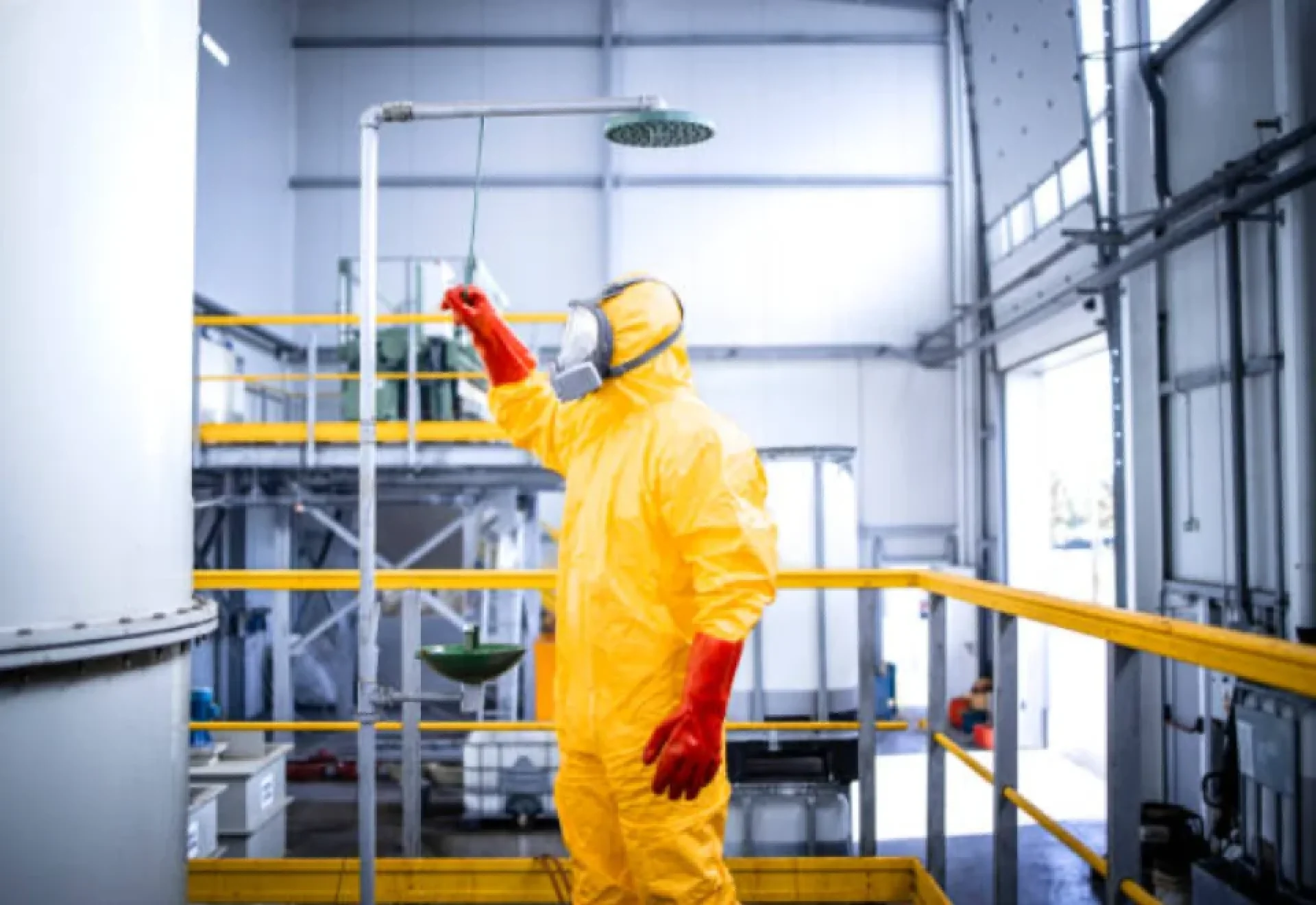
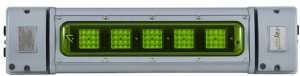
Safety is paramount in hazardous work environments. In industries such as pharmaceuticals, chemical manufacturing, and oil and gas, safety showers and eye wash stations are essential for protecting workers. These facilities allow individuals to promptly cleanse harmful chemicals or dangerous residues from their bodies and clothing. To ensure quick and easy identification these stations are equipped with green lights, which are strategically chosen for their effectiveness. Raytec offers specialised lighting solutions for safety showers in hazardous environments—the SPARTAN Safety Shower Linears. These are purpose-designed to be used in and be retrofitted to existing lighting for safety showers.
Find out more about specialised lighting for safety showers here.
Emergency Lighting
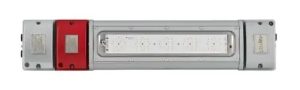
Emergency lighting is essential in chemical industry applications to ensure safety, regulatory compliance, and operational security. In the event of a power failure, these facilities face significant risks due to the presence of hazardous chemicals, including flammable, toxic, or reactive substances. Emergency lighting helps workers navigate safely, reducing the chances of accidents, chemical exposure, or spills. It also plays a crucial role in guiding personnel toward exits and emergency response equipment, such as fire extinguishers and eyewash stations, ensuring a swift and organised evacuation.
Raytec offers emergency variants throughout the SPARTAN and WARRIOR product ranges, with a choice of different lumen output and durations available. The standard emergency offering provides 25% output with 180 minutes of duration, although
50%, 75% and 100% output variants are also available across most products.
Most SPARTAN emergency luminaires are available with 100% light output, ensuring there is no loss of output when switching to emergency mode. This makes the luminaires perfect for pharmaceutical environments or other applications where maximum light levels in emergency mode are critical. Maintaining a high output also means lux requirements can be achieved with a smaller quantity of emergency luminaires, maximising cost efficiency.
Energy Costs
Energy efficiency is a critical concern for the chemical industry, particularly in plastics and polymer production, as mentioned in the previous section. The process of manufacturing plastics and polymers is energy-intensive, so users tend to move towards alternative solutions to reduce consumption, such as through the adoption of LED lighting. Raytec offers specialised LED lighting solutions that address these concerns. The products have high-efficiency LED technology that consume significantly less energy than traditional lighting, whilst also boasting a longer lifespan, reducing maintenance and downtime. The reduced heat generation of LEDs also lessens the burden on cooling systems, further contributing to overall energy savings. By implementing Raytec’s energy-efficient LED lighting, chemical industries can achieve substantial energy reductions, lower costs, and enhance their sustainability credentials, leading to both financial and environmental benefits.
Other Considerations
Lighting for Safe Areas
Large sections of pharmaceutical sites are often designated as safe areas which include access ways, walkways, stair wells and car parks. While these areas may not require hazardous area lighting, a high-quality lighting solution is still important to maintain working conditions and safety. Raytec has a range of industrial, high-performance luminaires that are manufactured from LM6 marine grade cast aluminium and are IP66 rated.
Learn more about the WARRIOR and URBAN range here.
Lighting Design
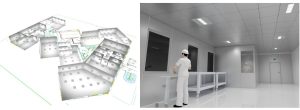
When installing a professional lighting system, we always recommend using a professional lighting design service. A professional lighting design service provides the end user and installer with a detailed report that shows the lighting levels that will be achieved on-site. This ensures there are no surprises at the point of commissioning and acts as a guide during installation, reducing installation time.
A good lighting design will also offer cost savings, both by reducing the number and size of luminaires used on-site and by lowering electrical consumption. All of this should be achieved while increasing the quality of light on-site.
Raytec offers an award-winning, free-of-charge, lighting design service to all our customers – bringing your installation to life.
Contact us now at solutions@raytecled.com
The SPARTAN Philosophy
Adaptability (Modular Design)
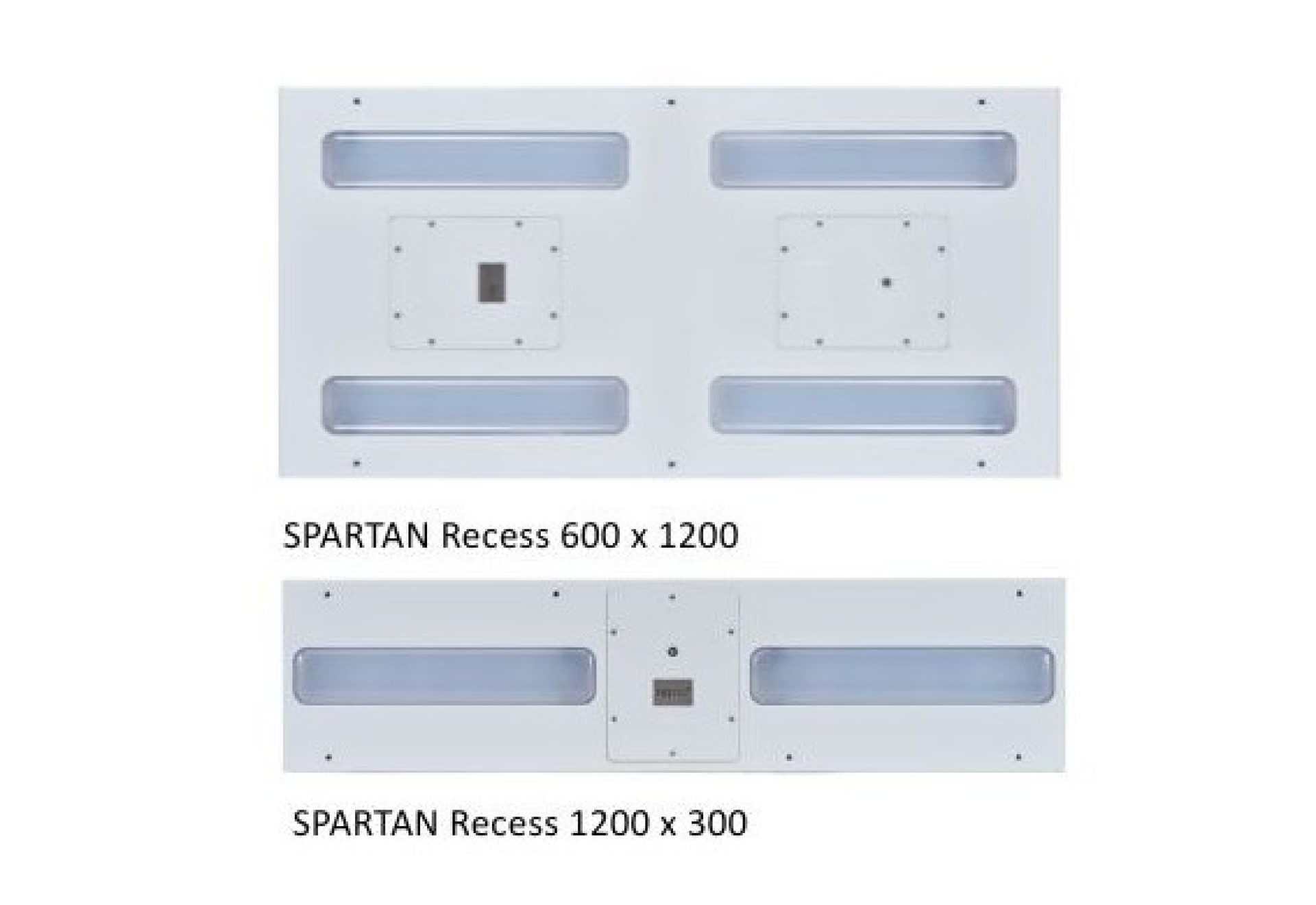
The SPARTAN Recess offers unparalleled flexibility with its modular design, available in a range of standard and bespoke options. It includes a versatile family of five standard sizes and three installation methods, complemented by a selection of optional accessories. The modular design allows us to easily adapt the standard product range, this adaptability ensures the SPARTAN Recess can be customised to suit any application, installation method or ceiling type including exposed ‘T’, concealed ‘T’, solid/plasterboard, or offshore ceilings.
The repair process of a SPARTAN luminaire is faster and easier as specific modules can be serviced. This streamlined approach to maintenance is highlighted by the rapid PSU replacement process, taking only two minutes.
Rugged & Durable
SPARTAN luminaires are built for extreme environments, featuring a rugged marine-grade aluminium housing with an epoxy powder coating, UV-stabilised polycarbonate, and marine-grade stainless steel fasteners and brackets. With IP66 and IP67 ratings, they deliver exceptional durability and resistance to harsh conditions.
Retrofittable
Retrofittable luminaires, such as SPARTAN Linear and Recess, are designed to match the dimensions of traditional fluorescent fittings, while the fixing centres and gland entries are also compatible with the existing fluorescents to provide an easy, direct replacement. This means existing brackets and mounting accessories can be utilised in the installation of new Linear units – especially beneficial for larger applications where the cost of new mounting accessories alone can significantly drive-up costs. This increased compatibility helps to streamline the installation process, making it quicker, less costly and also minimising the amount of disruption on-site while the new units are being fitted.
Conclusion
Effective lighting is paramount in chemical industries, ensuring both safety and operational efficiency. The presence of flammable materials, volatile chemicals, and potentially explosive atmospheres necessitates the use of specialised, explosion-protected lighting fixtures.
Raytec’s brand-new SPARTAN Recess offers a comprehensive solution for these demanding environments.
The product, with its lightweight design, modularity, and customisable features, provides industry-leading flexibility and ease of installation, making it an ideal choice for various applications within the chemical sector.
By prioritising safety and incorporating energy-efficient solutions like the SPARTAN Recess, chemical manufacturers can create a safer, more productive, and more sustainable working environment.
For more information on lighting for Chemical Industries, contact our team today.